





Explore More, Decide Faster
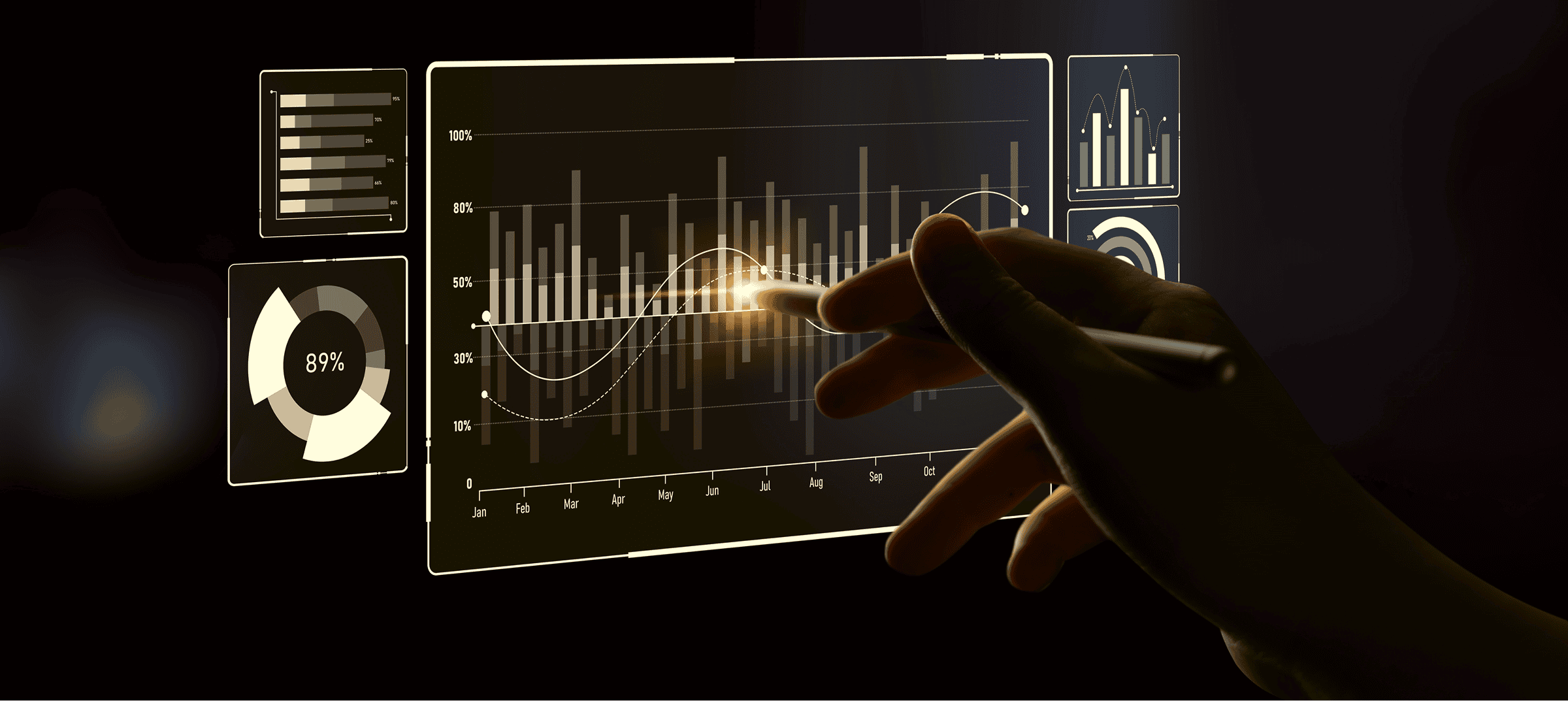
Support for optimization and DOE to sweep vehicle topologies and maneuvers and optimize components and vehicle control.
GT-DRIVE+ is the next generation vehicle modeling framework built into
GT-SUITE
Solution Overview
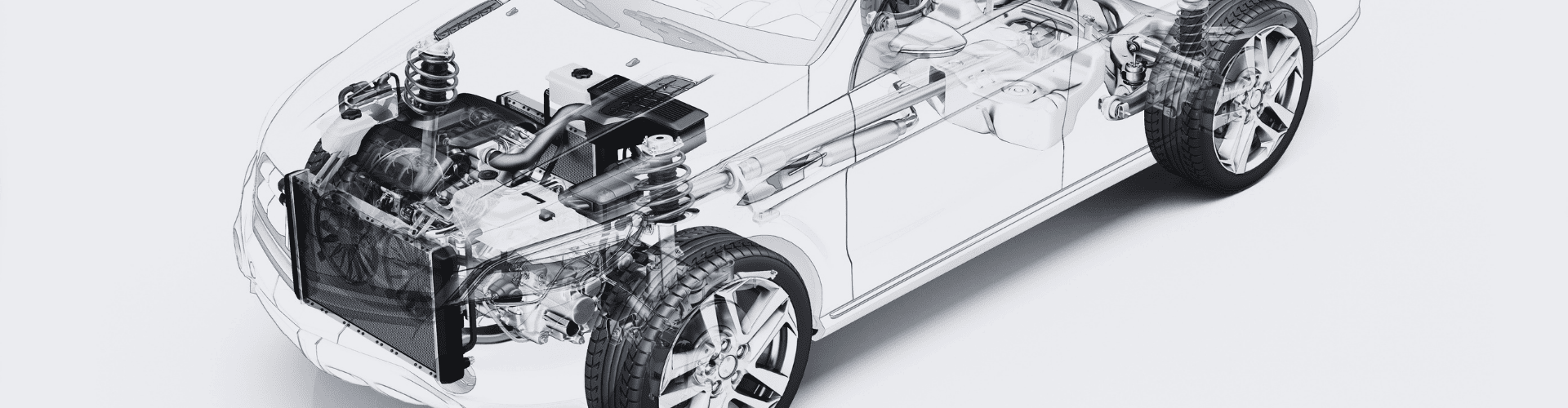
It has been specifically designed for use by vehicle simulation engineers to efficiently model any type of vehicle, including conventional, commercial, hybrid, plug-in hybrid, battery, and fuel cell electric vehicles.
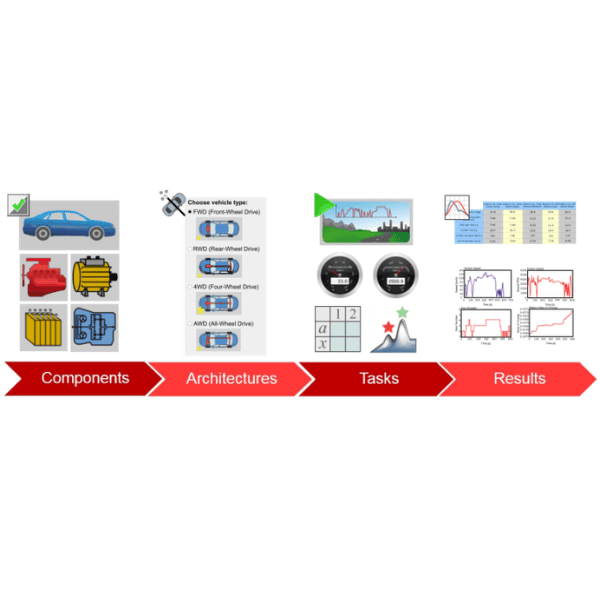
GT-DRIVE+ focuses on creating a streamlined workflow to quickly and easily generate results for vehicle performance, fuel consumption, emissions, and energy management. GT-DRIVE+ addresses key challenges and objectives facing vehicle teams, such as:
Together, these capabilities allow GT-DRIVE+ to provide a singular path from vehicle concept design to final system integration.
Application Highlights
Advanced Features
Powerful tools and integrated workflows enable engineers to build, manage, and analyze vehicle models while improving consistency, traceability, and simulation efficiency.
Support for optimization and DOE to sweep vehicle topologies and maneuvers and optimize components and vehicle control.
Access to distributed computing to parallelize test cases and vehicle runs.
Manage data with supported PLM toolchain integration.
Deploy GT-DRIVE+ models on all major HiL systems.
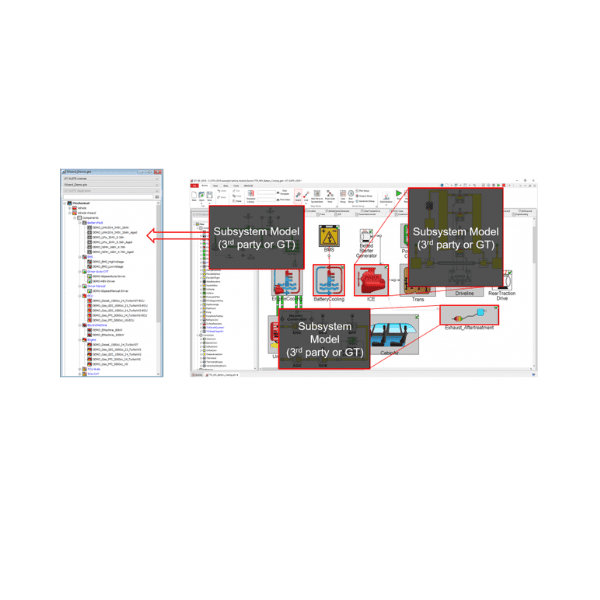
Convert GT DRIVE+ models to standard GT SUITE models for straightforward sharing with powertrain, thermal, controls, and other simulation groups, eliminating duplication and improving cross functional collaboration.
Convert GT-DRIVE+ model to GT-SUITE model for easy model sharing with other simulation departments
Find answers to common questions about the Vehicle Modeling Framework and its capabilities.
It supports the full spectrum of vehicle architectures, including conventional, commercial, hybrid, plug-in hybrid, battery electric, and fuel cell electric vehicles. The platform is built to handle increasing complexity, including advanced electrification and thermal management requirements, so engineers aren’t constrained as vehicle programs evolve.
Models convert directly into GT-SUITE, so work can be shared with powertrain, thermal, controls, and other teams without rebuilding from scratch. It also integrates with supported PLM toolchains, giving organizations a structured way to manage simulation data and maintain traceability across programs.
Yes. Models are deployable on all major HiL systems, giving teams a direct and consistent path from virtual development to hardware validation, with no need to rebuild or reformat models when moving between simulation and physical test environments.
Access to distributed computing lets teams run multiple test cases and vehicle configurations in parallel instead of sequentially. Combined with built in support for optimization and DOE, engineers can sweep vehicle topologies, maneuvers, and control strategies systematically to reach confident decisions faster.