









Multi-Fidelity Modeling
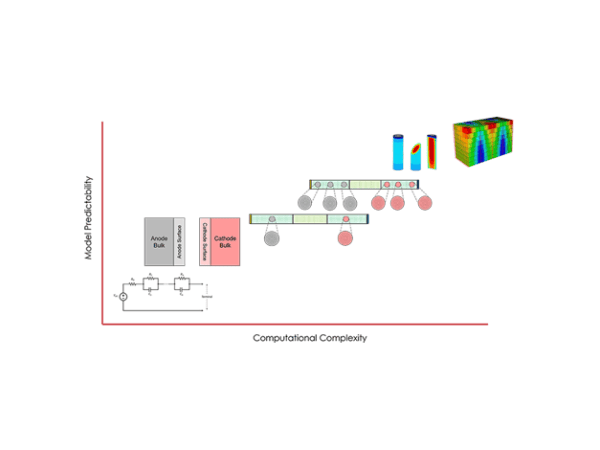
Seamless transition from 0D, P2D, P3D, and P4D modeling for Lithium-ion cells
Multiphysics Battery Simulation Tool. See Inside the Cell. Before It Exists.
PRODUCT OVERVIEW
GT-AutoLion is the industry-leading battery simulation software trusted by cell manufacturers and OEMs to design next-generation battery cells and optimize control strategies. At the same time, it enables accurate predictions of performance, degradation, and safety for any lithium-ion cell and beyond.
Built on a fast and reliable electrochemical, physics-based approach, GT-AutoLion delivers high-fidelity modeling of the internal processes within lithium-ion cells—empowering engineers with the insights needed to drive innovation and efficiency.
COMPREHENSIVE SOLUTIONS
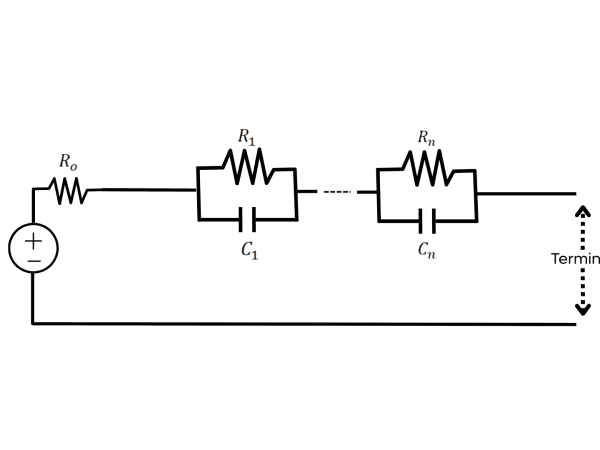
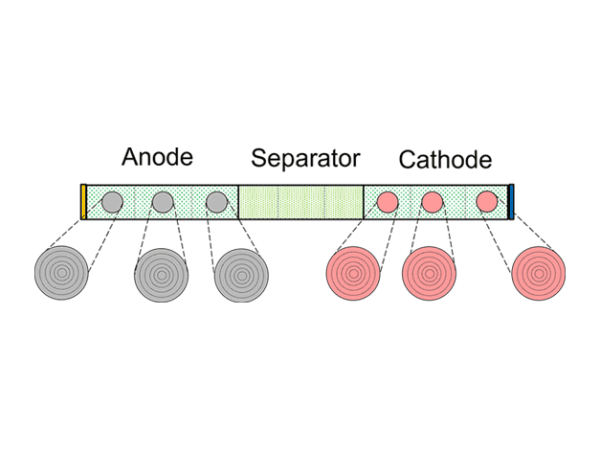
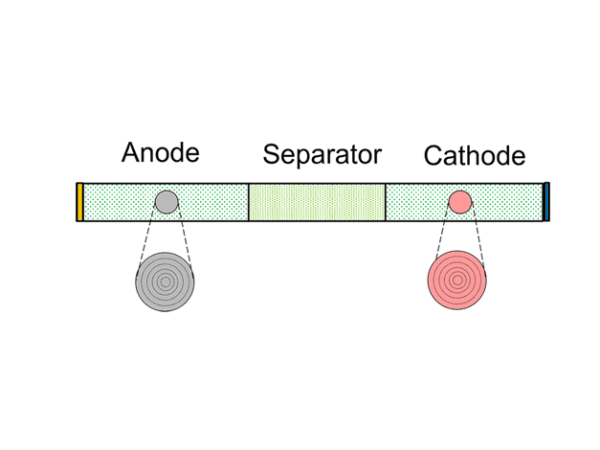
From real-time battery modeling to micro-scale level design, GT-AutoLion offers a comprehensive suite of solutions to meet diverse battery simulation requirements—all within a unified simulation environment. Whether you need high-fidelity electrochemical modeling or fast predictive tools, our technology adapts to your specific needs.
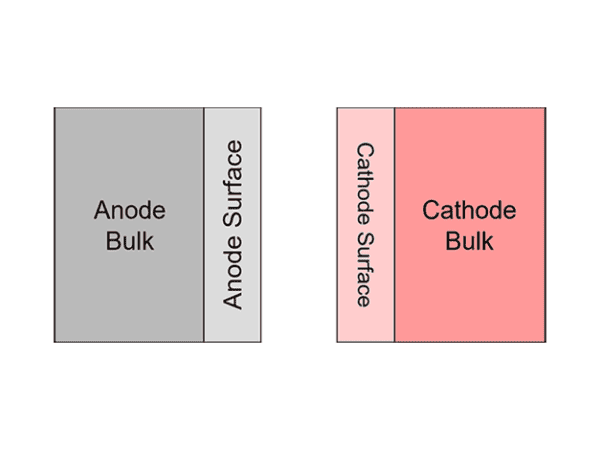
On top of the Pseudo-2D model, GT-AutoLion also includes a swelling model capable of predicting stress, strain, and pressure in a cell as active material expands during lithiation. Finally, every installation includes a comprehensive electrochemical materials database, reducing the burden for laboratory testing of electrochemical properties.
BATTERY CELL DESIGN
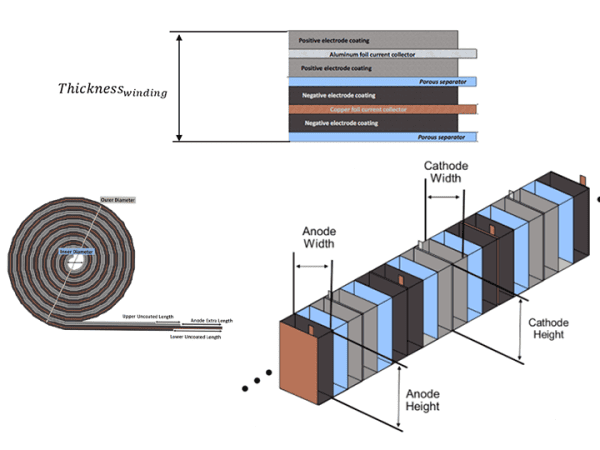
Optimizing li-ion cell design is critical to achieve the different energy storage application requirements. GT-AutoLion provides advanced simulation tools that enable engineers to evaluate and refine cell properties and structure before physical prototyping.
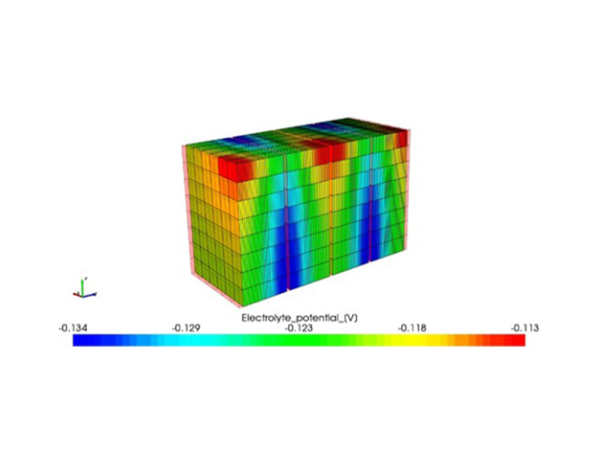
GT-AutoLion features a comprehensive, ready-to-use materials database, enabling users to quickly access and implement various chemistries without the need for extensive laboratory testing. By leveraging detailed electrochemical, thermal, and mechanical models, users can analyze key design parameters such as electrode porosity, separator thickness, tab location, and anode overhang.
BATTERY PERFORMANCE PREDICTION
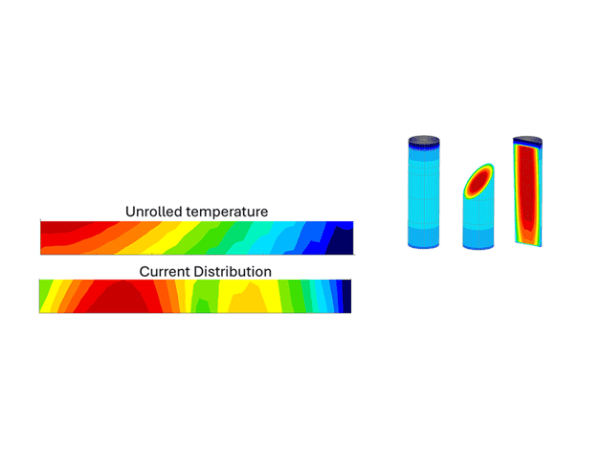
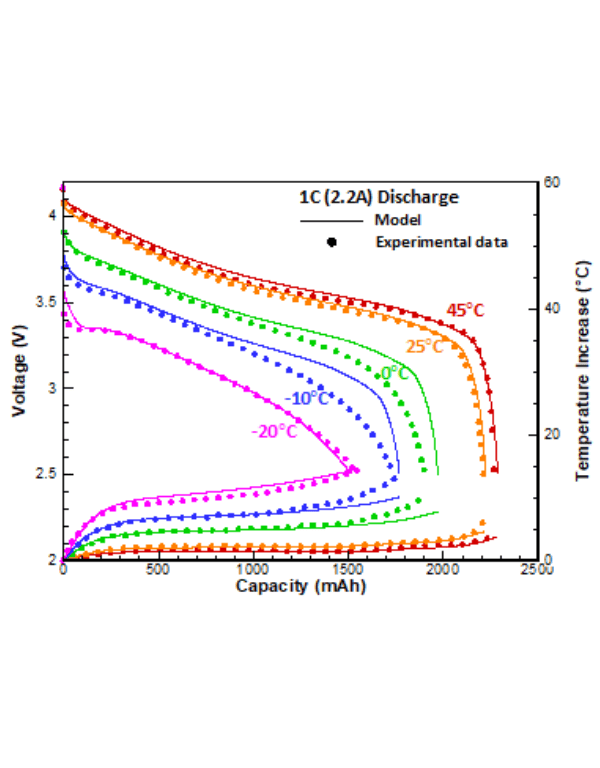
GT-AutoLion can be used to predict how various Li-ion chemistries and cell designs will perform before they are prototyped or even available for testing. With GT-AutoLion, a Li-ion battery’s performance can be predicted under any load, including constant current (voltage drop and temperature rise shown to the left) and more dynamic loads.
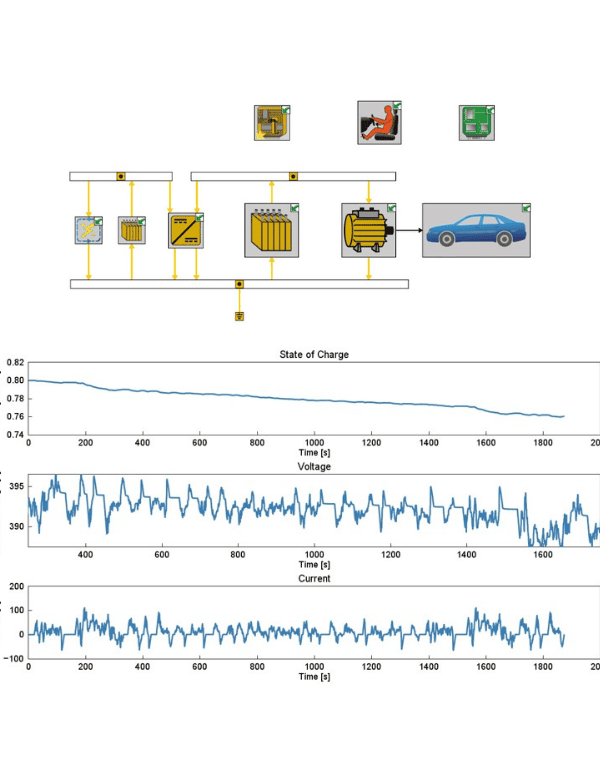
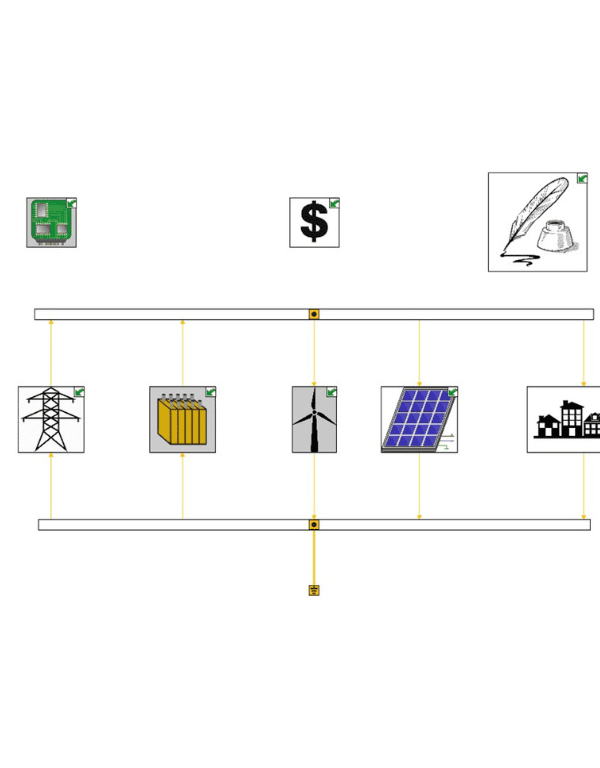
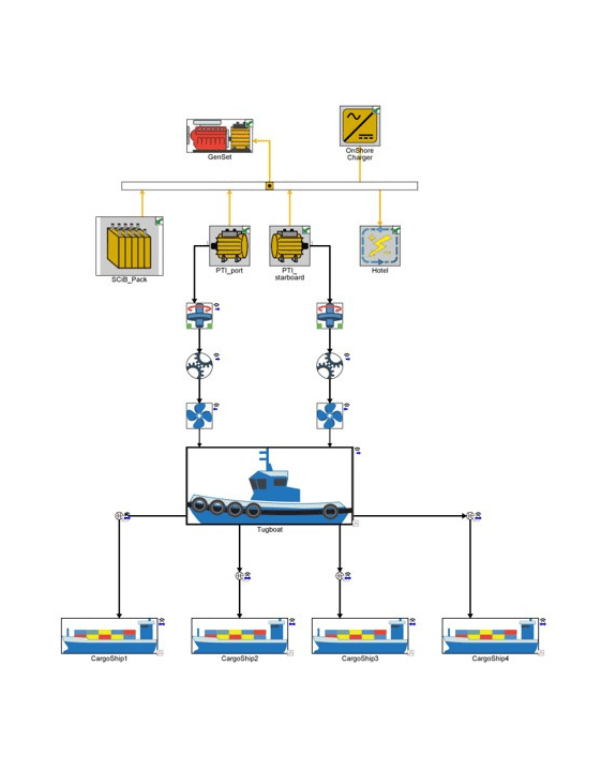
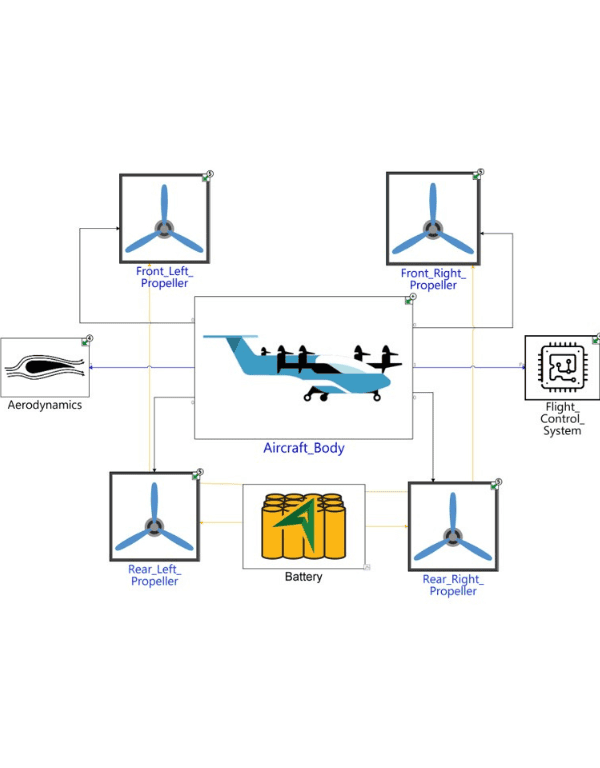
GT recognizes that Li-ion cells and batteries must function within broader systems. To support this, GT-AutoLion seamlessly integrates with GT’s system-level, battery pack, and Simulink models, allowing performance analysis in an integrated environment. A built-in battery characterization toolbox simplifies exporting electrical-equivalent models, while GT’s Design of Experiments, Design Optimizer, and distributed computing accelerates parameter identification and calibration. Additionally, encrypted models enable secure sharing among suppliers and OEMs.
BATTERY SWELLING AND DEFORMATION
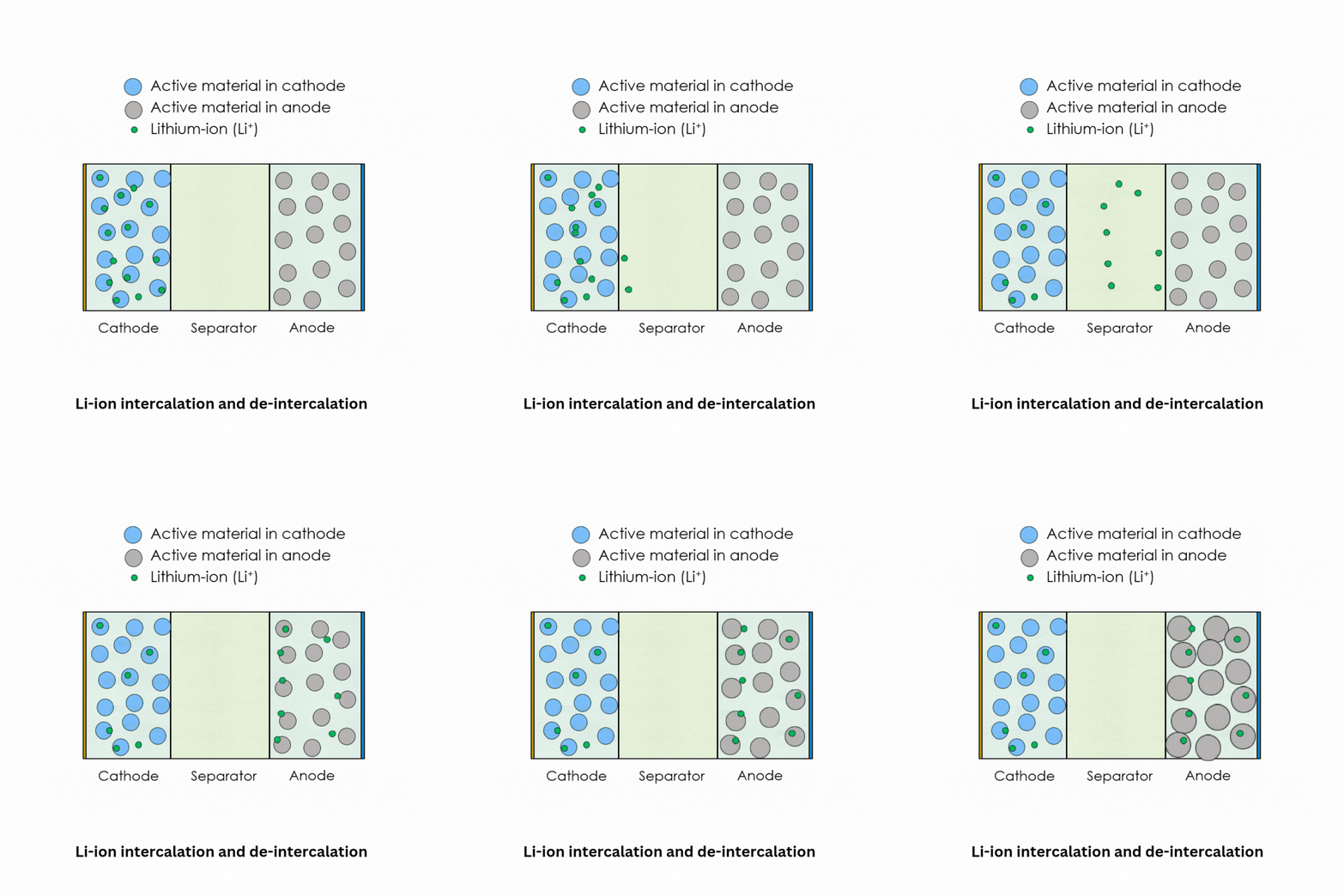
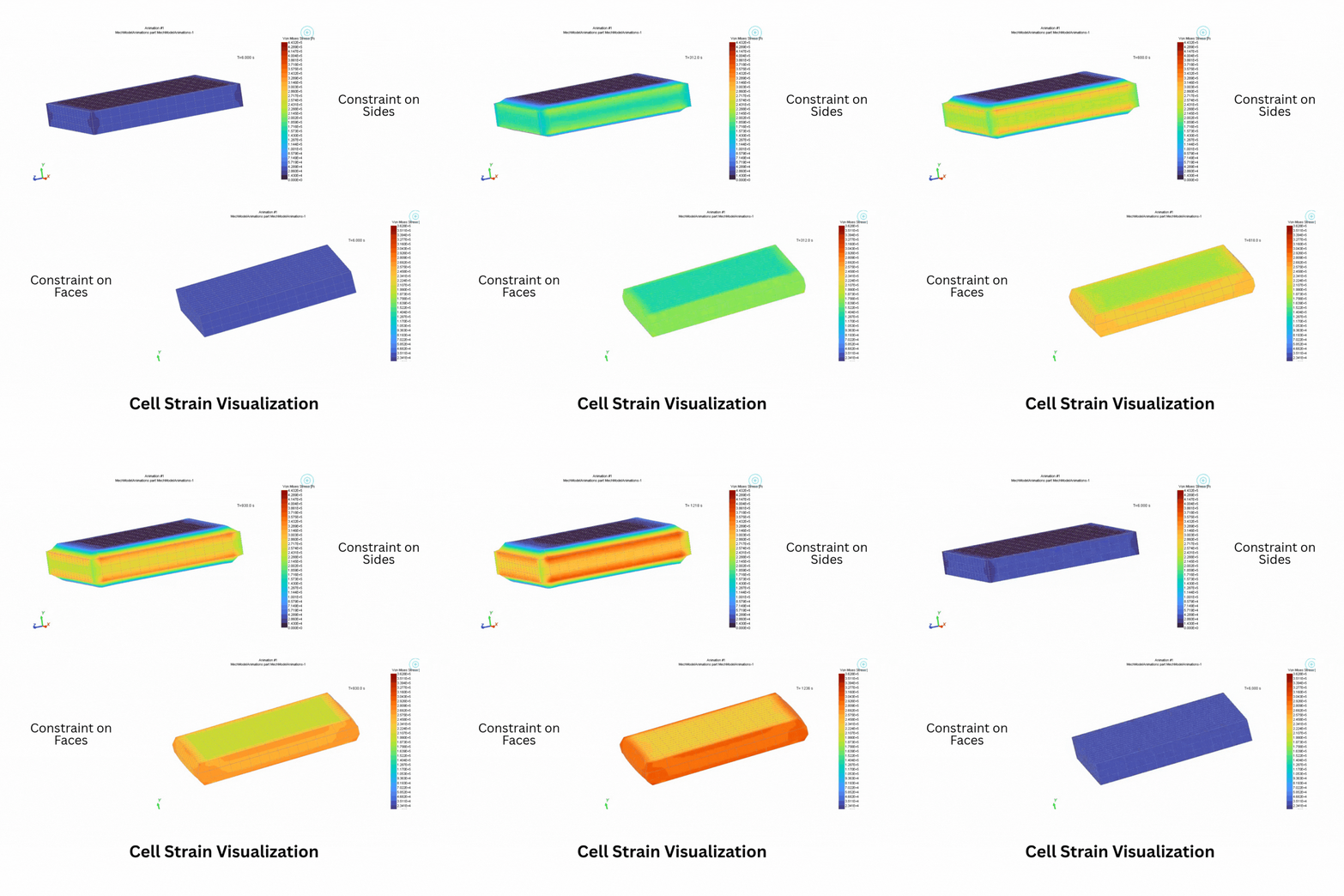
Swelling and deformation in lithium-ion batteries (LIBs) arise from multiple mechanisms, including volume changes in electrode particles during lithium intercalation and de-intercalation, surface film growth due to side reactions, and elastic deformation of electrodes under external mechanical loads. These changes can affect both the electrochemical performance and structural mechanical properties of the battery.
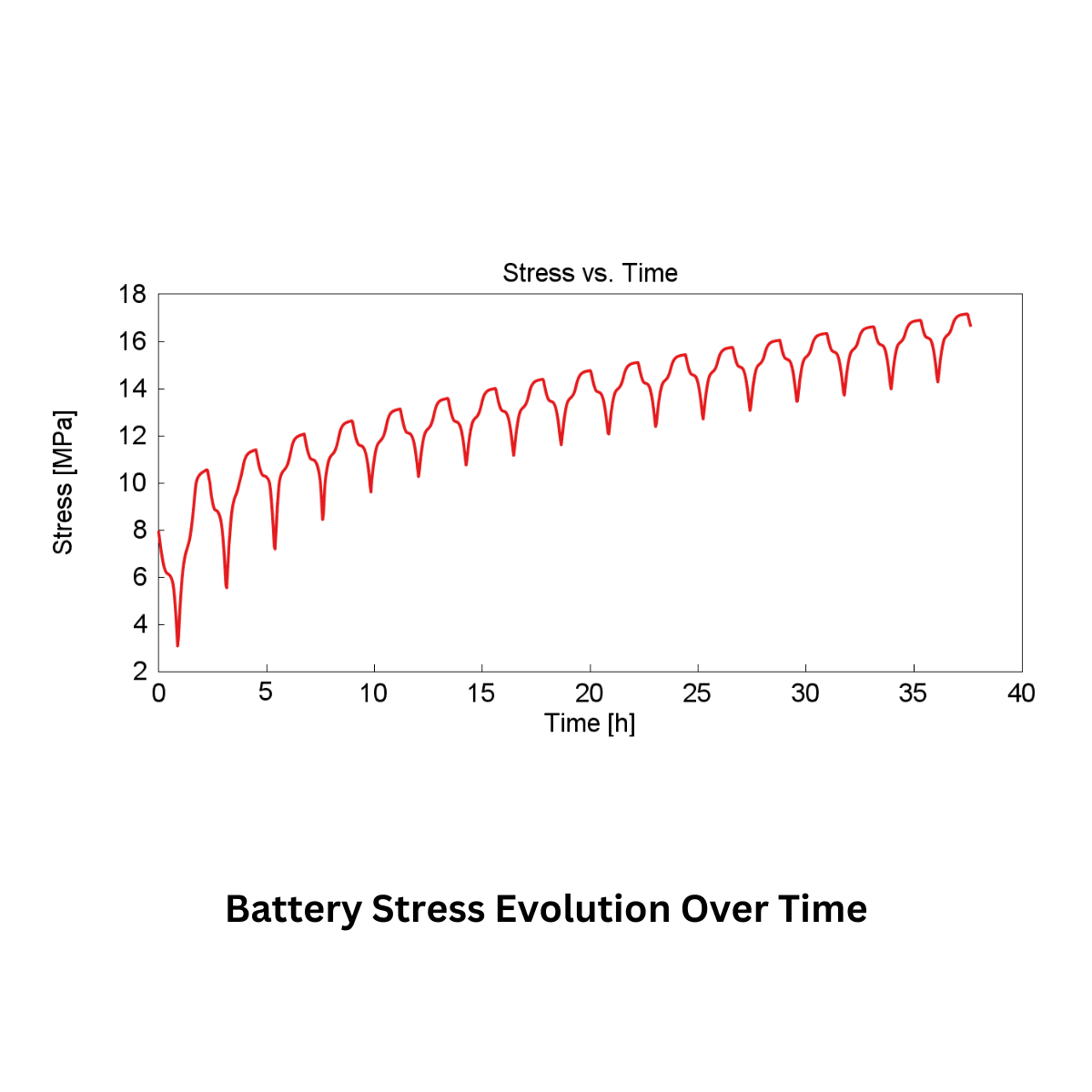
The GT-AutoLion is a coupled electrochemical, thermal, and mechanical solution delivers powerful, in-depth insights into battery swelling and deformation, and enables a comprehensive understanding of these complex phenomena. With advanced modeling capabilities, it accurately captures particle-level stress and strain, tracks stress evolution throughout the battery’s lifecycle, analyzes strain and stress variations based on state of charge (SOC), and provides a detailed spatial visualization of stress and strain distribution.
BATTERY CONTROL STRATEGIES DESIGN
BATTERY MANAGEMENT SYSTEM CALIBRATION & VERIFICATION
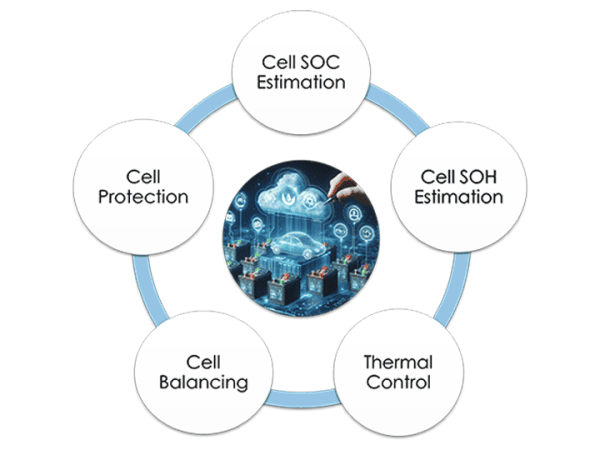
GT-AutoLion empowers engineers to design smarter, more efficient BMS algorithms for State of Charge (SOC) estimation, State of Health (SOH) tracking, thermal management, cell balancing, and cell protection. Its variety of simulation solutions provide deep insights into real-world battery behavior, enabling predictive control strategies and optimized fast charging strategies to enhance performance, extend battery lifespan, and improve safety.
Moreover, GT-AutoLion & GT-SUITE offer the possibility to validate controller design by leveraging cell and pack battery models in Model-in-the-Loop (MiL), Software-in-the-loop (SiL) simulations, and Hardware-in-the-loop (HiL) simulations.
BATTERY PACK THERMAL MANAGEMENT
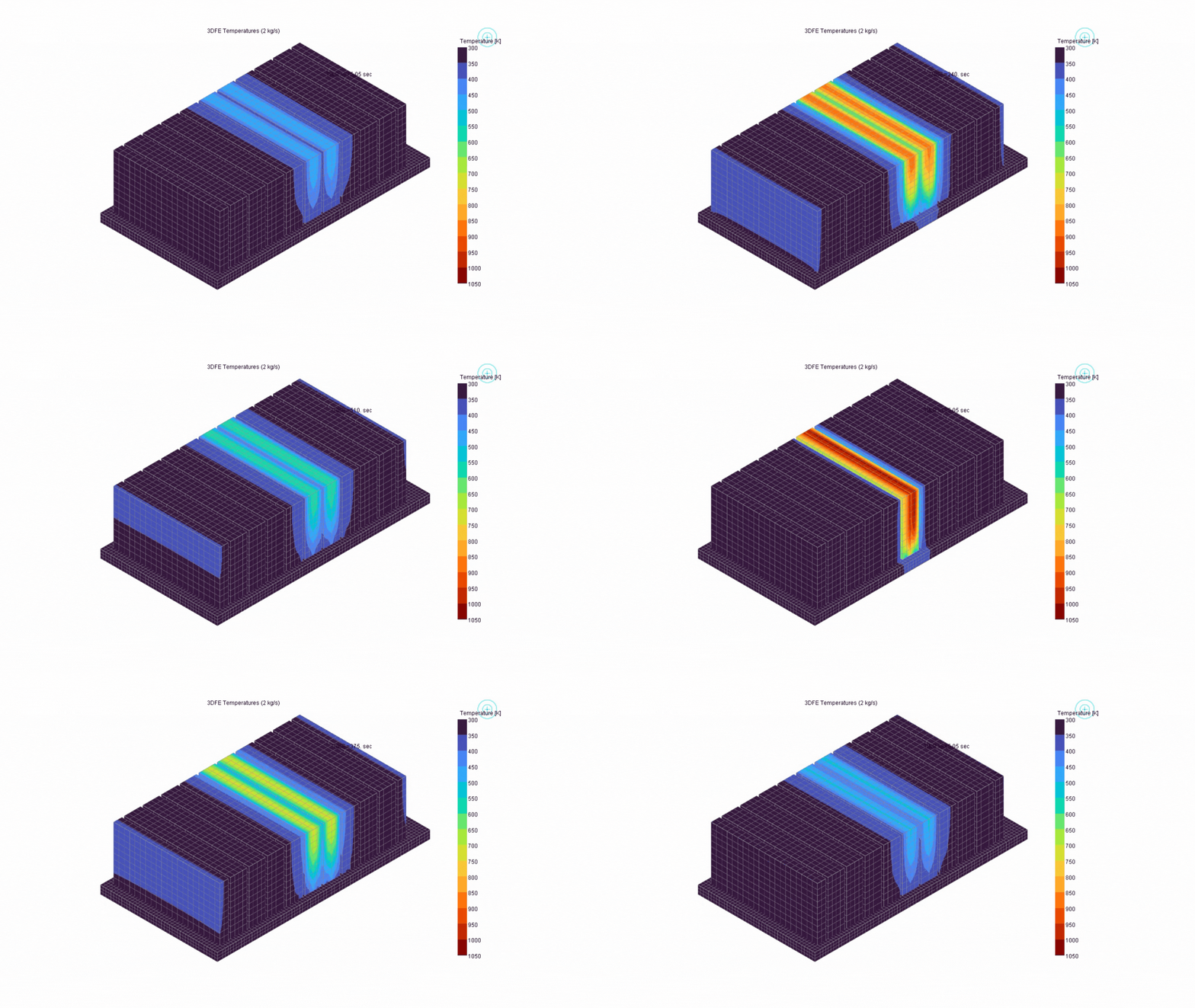
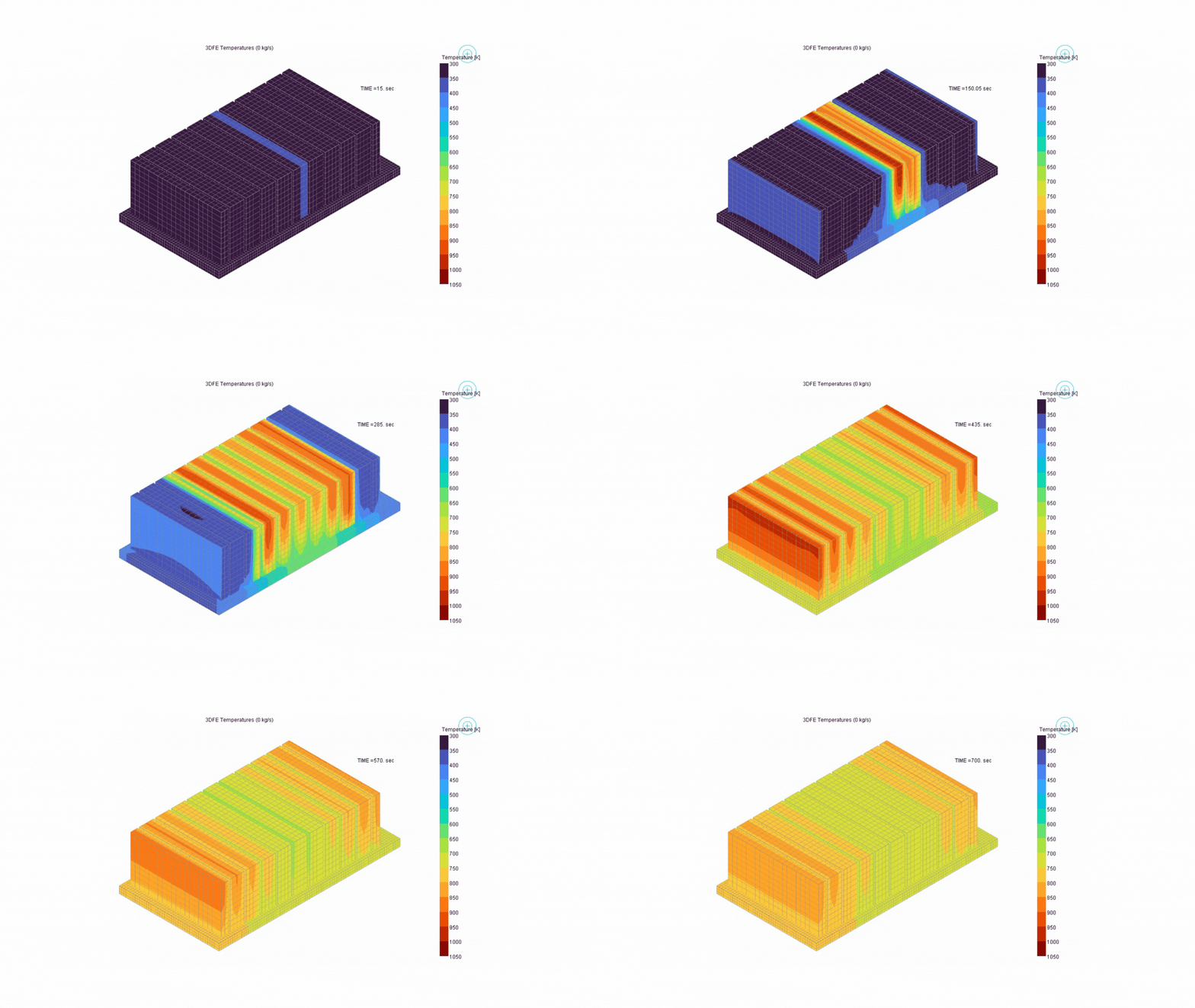
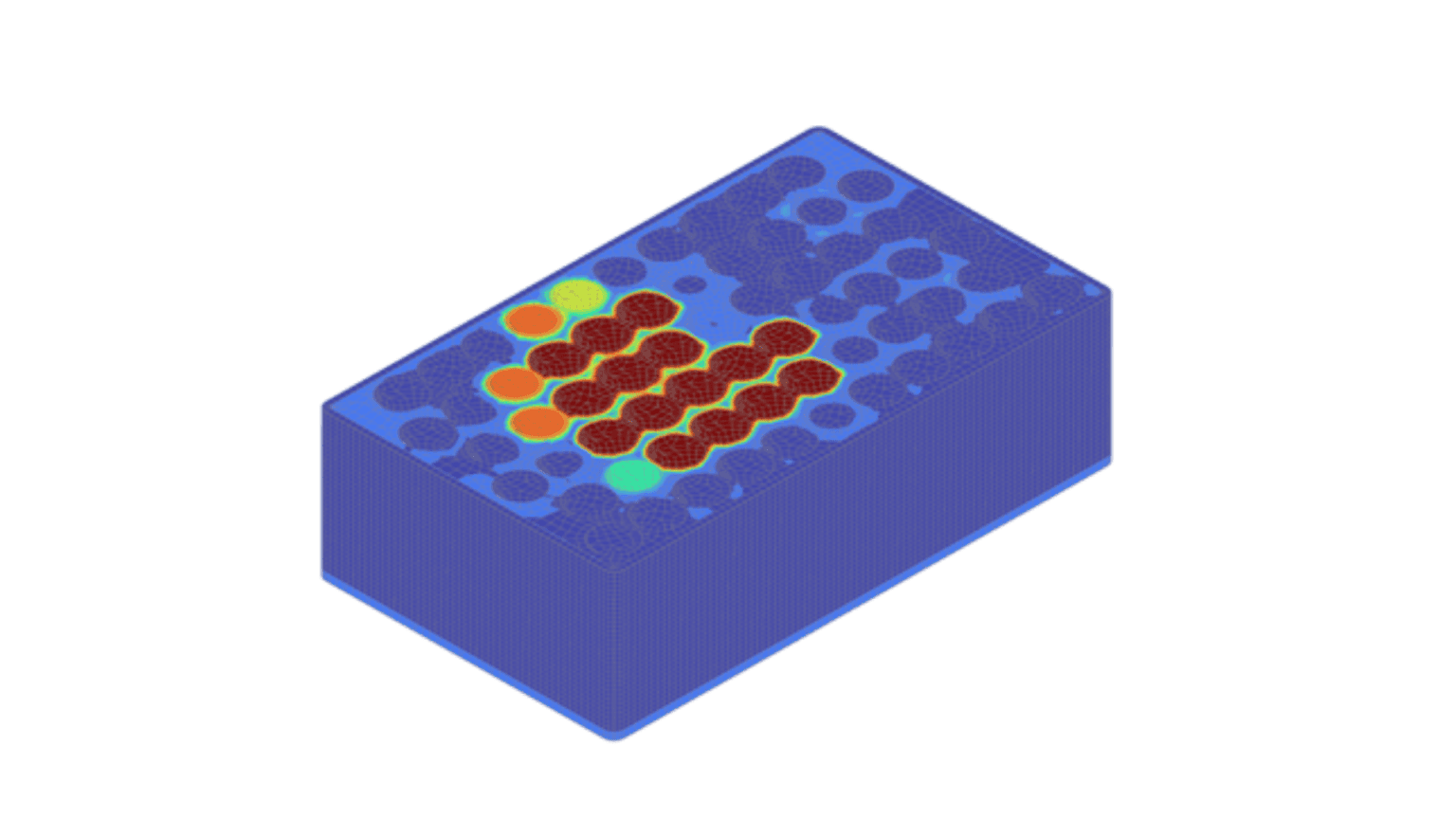
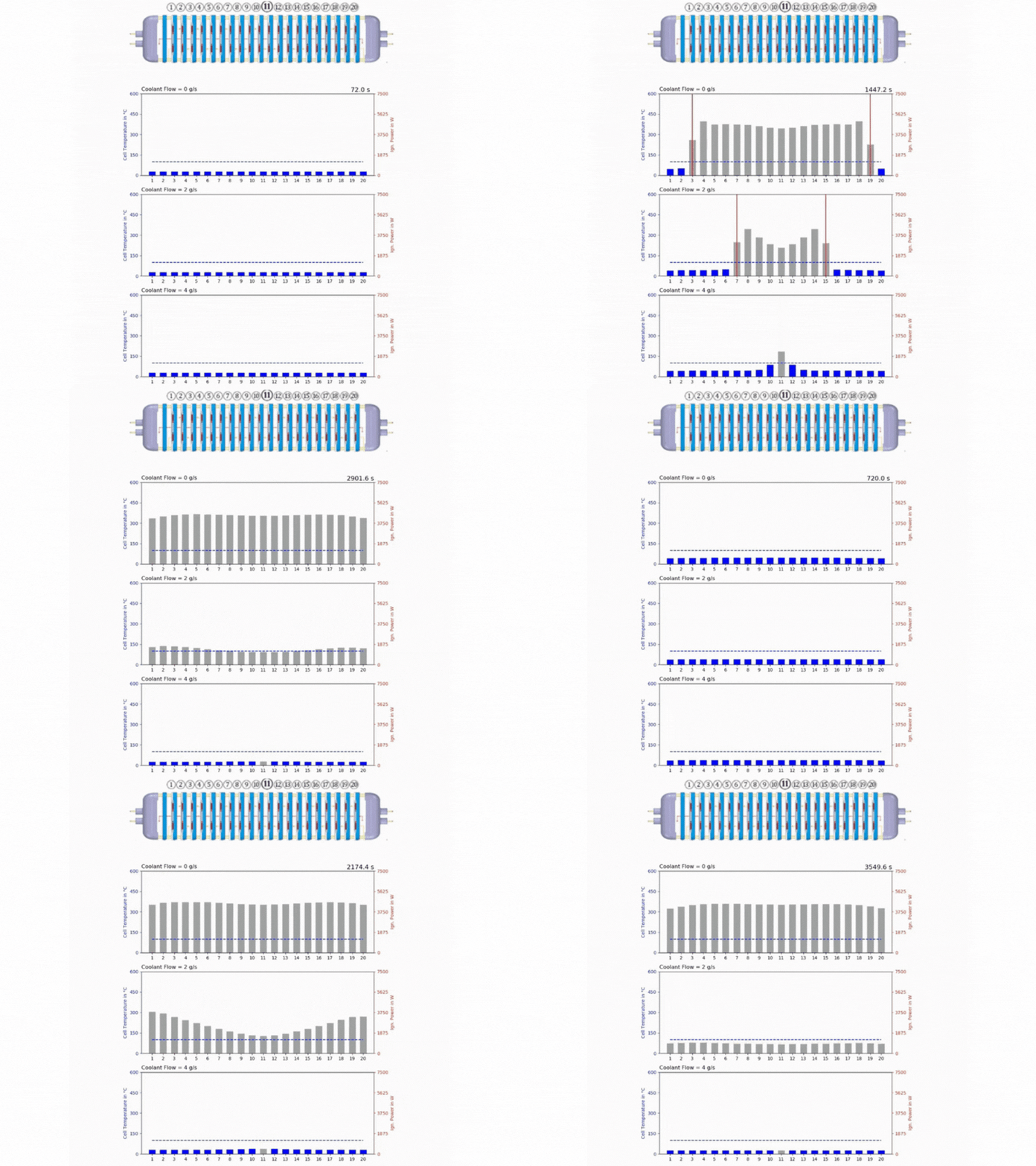
Electrical-equivalent and electrochemical battery models can be coupled to advanced thermo-fluids systems for cell-level and pack-level safety tests. GT-AutoLion plus GT-SUITE will provide thermal management engineers with a powerful tool to optimize the colling strategy of a battery pack and engineer solutions to mitigate thermal runaway propagation.
Physics-based or event controlled thermal runaway models can be easily integrated into the workflow for a realistic electrochemical, chemical, mechanical, and thermo-fluid simulation.
AGING PREDICTION
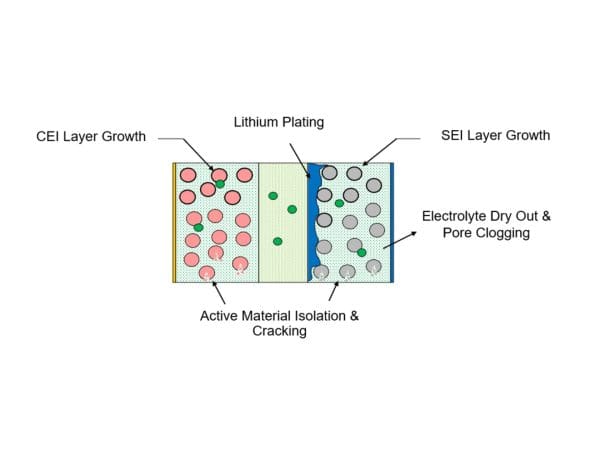
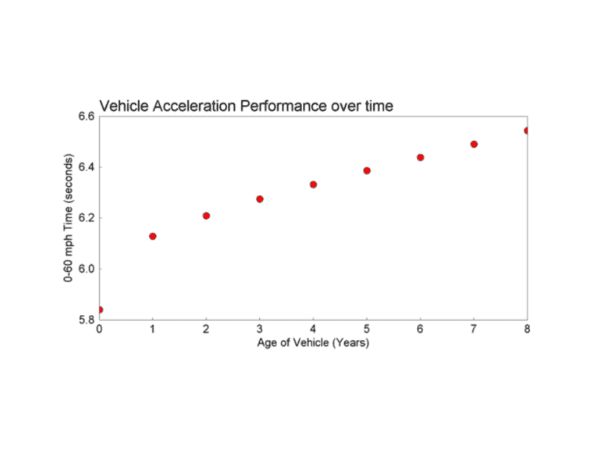
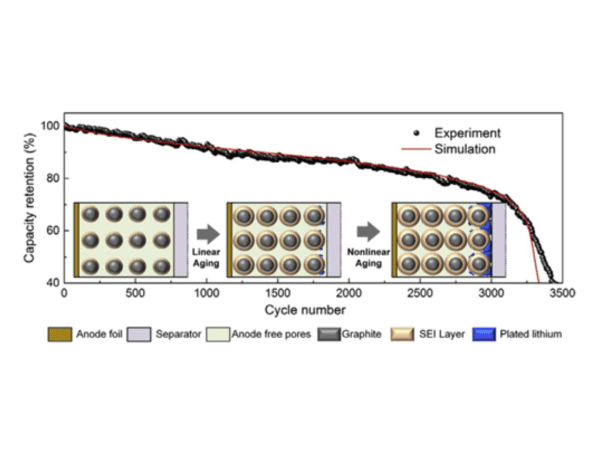
GT-AutoLion helps predict how Lithium-ion cells of any chemistry will degrade in any use case, including calendar aging, cycle aging, and mixed aging scenarios. GT-AutoLion includes an extensive list of available Li-ion degradation mechanisms, including active material isolation, SEI and cathodic film growth, electrolyte dry-out, and Lithium-plating (validation and visualization of these models shown to the left). These mechanisms enable users to predict not only capacity fade, but also resistance growth of a Li-ion cell as it ages. These models can be used to reduce testing time and cost, predict how batteries age in real-world scenarios, predict how aged batteries affect system performance, and calibrate and optimize fast charging strategies.
ADVANCED FEATURES
Seamless transition from 0D, P2D, P3D, and P4D modeling for Lithium-ion cells
Built-in library of cathode, anode, and electrolyte material properties
Advanced swelling model to integrate stress, strain, and performance prediction in one tool
Direct integration with GT system-level models
Direct co-simulation with Simulink and other tools for BMS control validation
Built-in degradation mechanisms for physics-based Li-ion battery aging
Integration with GT's Design of Experiments (DOE) and Optimization features for fast model calibration
Integration with GT's thermo-fluids domain for thermal management of battery packs