
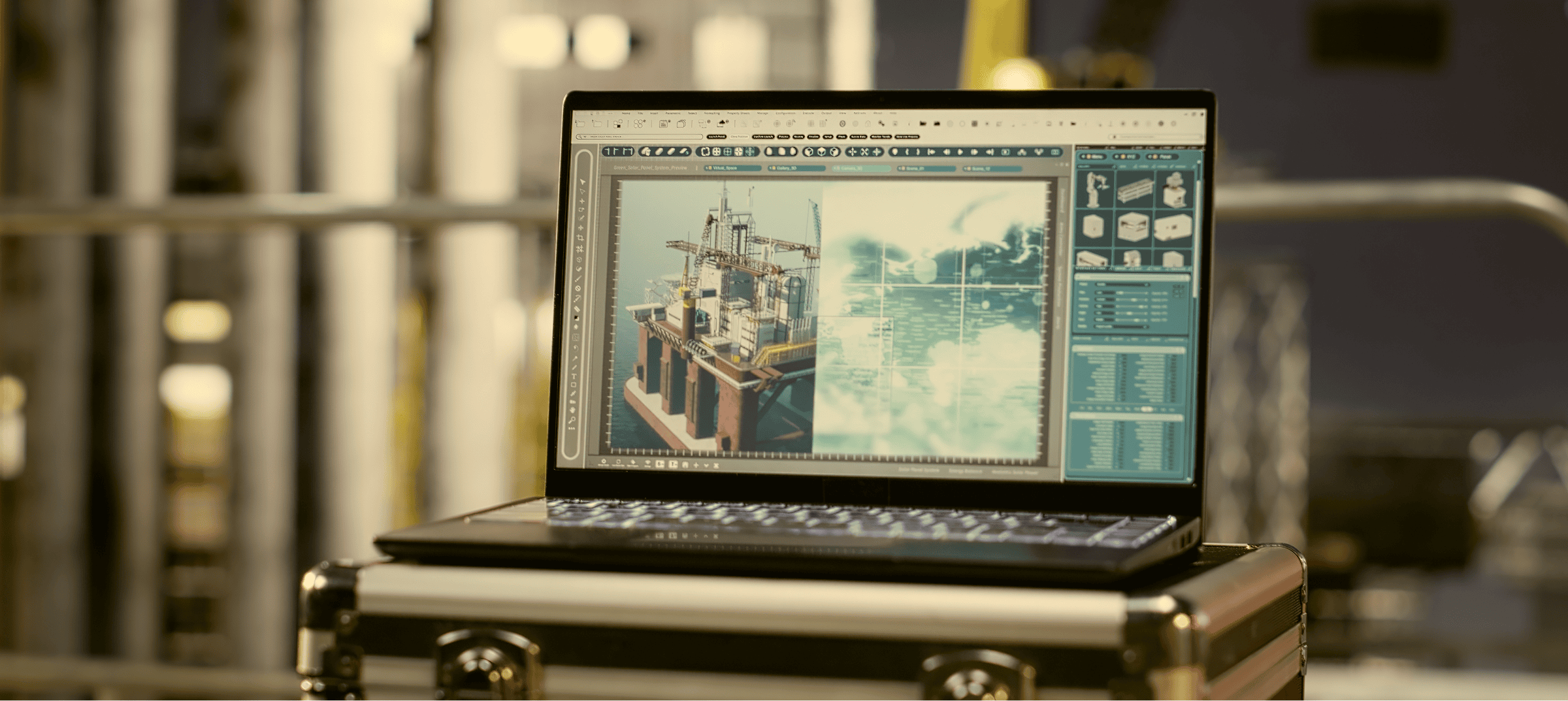
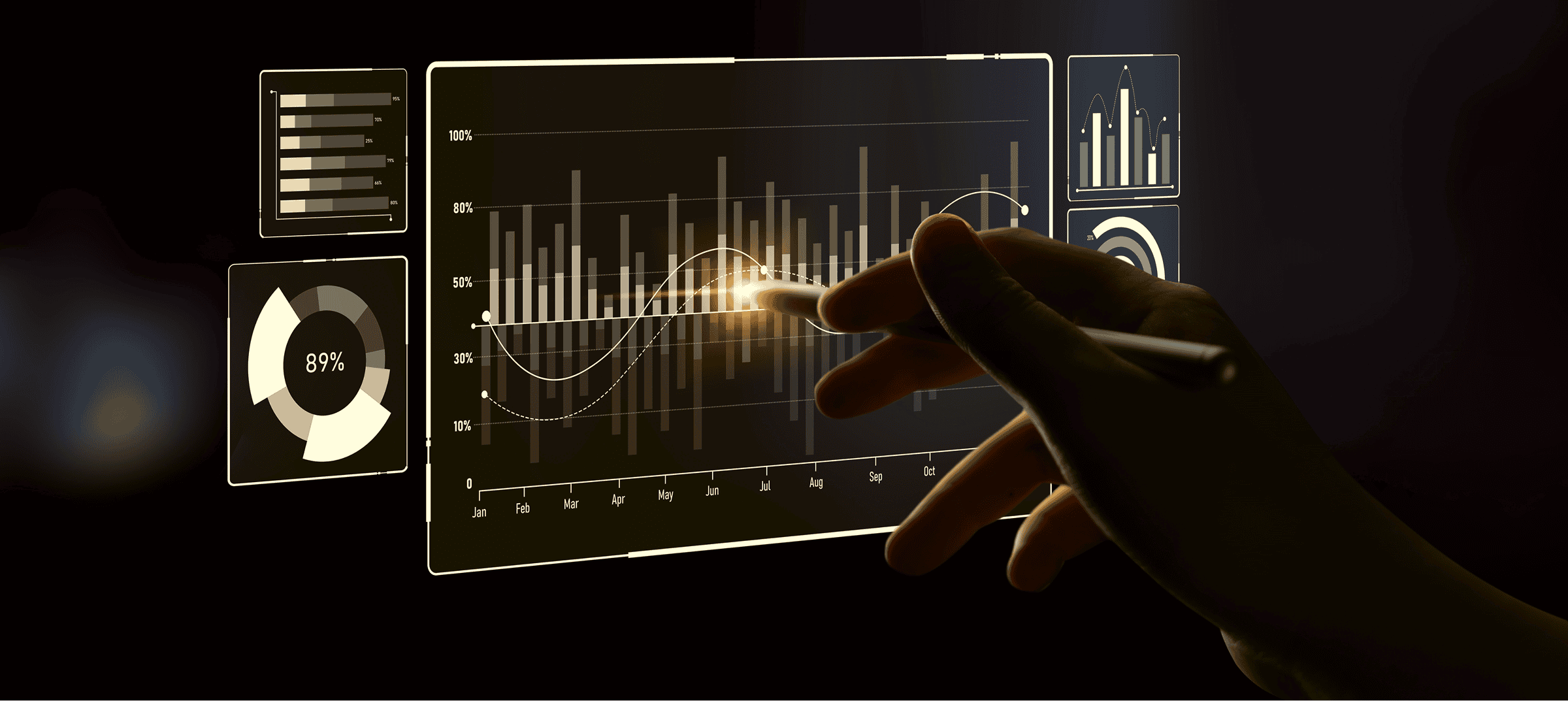





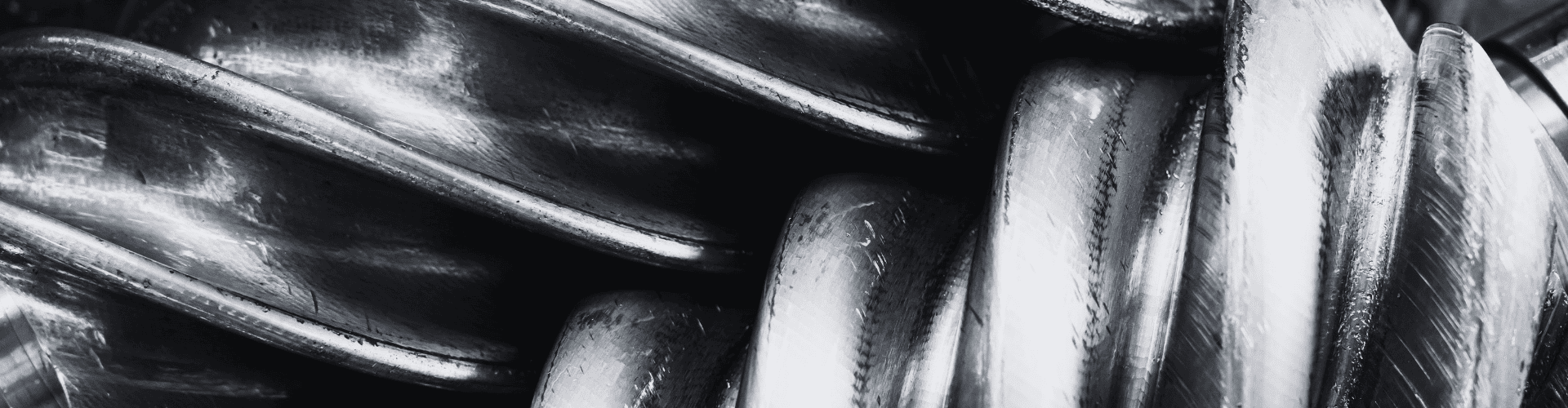
GT-SUITE is the ideal tool to model screw machine thermodynamics, flow pulsations, friction, and integration with other systems
Solution Overview
Multi-Purpose Screw Machine Modeling
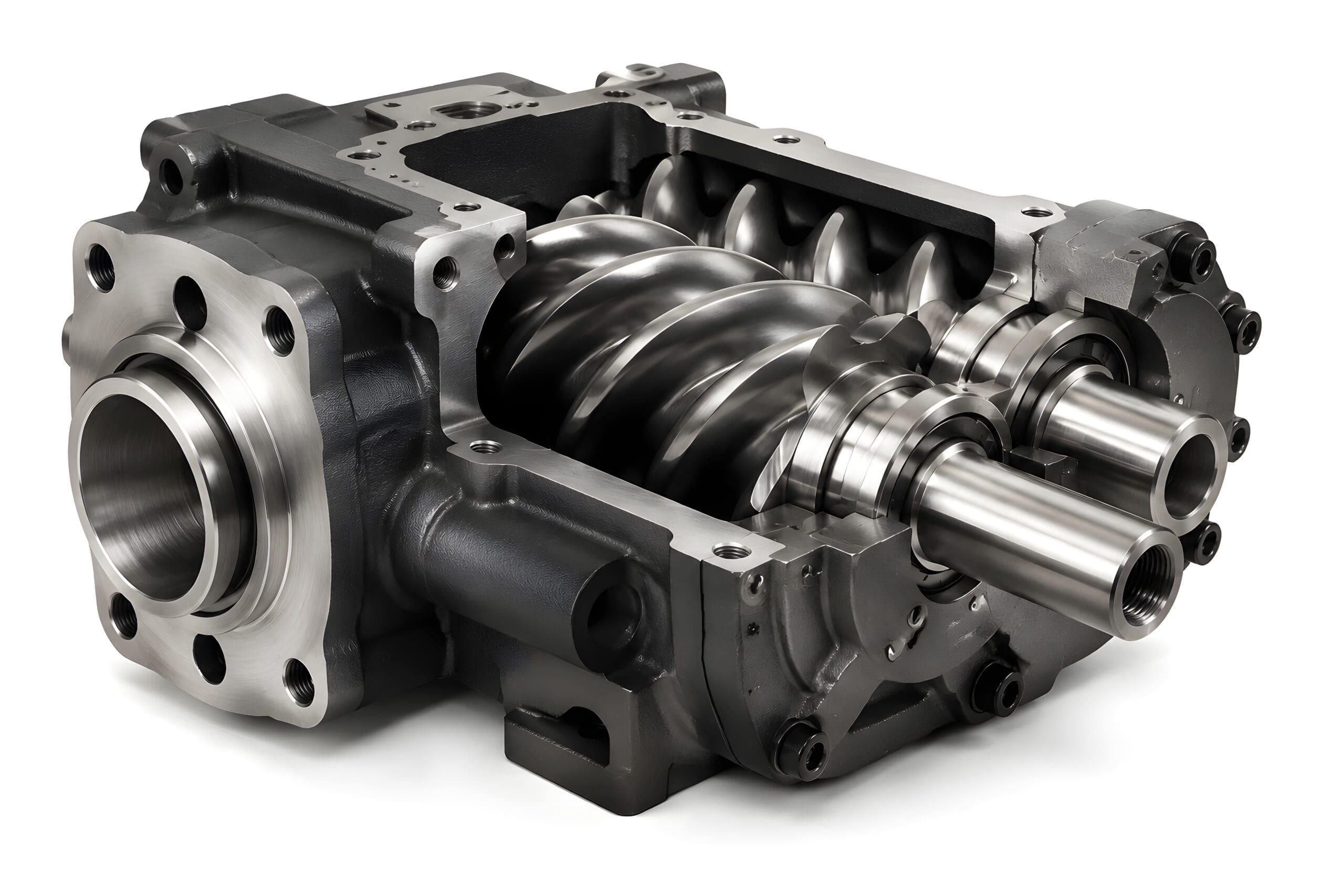
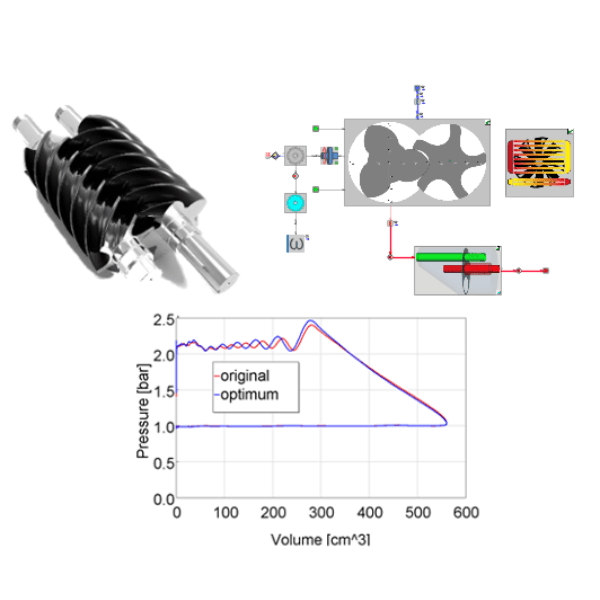
These screw machines are modeled as a compressor, pump, or expander and consider pure gas, liquids, two-phase mixtures, and two-phase refrigerants. Models are used across a wide range of applications including hydraulics, fuel, lubrication, cooling, transmission, HVAC, gas processing, and aftertreatment systems.
In order to build accurate chamber thermodynamic models, information about the screw machine volume geometry, inlet and outlet porting, and clearance gaps must be known. This information can be calculated from CAD, inhouse tools, or other 3rd party tools such as SCORG, an industry leading screw machine modeling software.
GT-SUITE now fully integrates with SCORG, a unique software for the design and analysis of positive displacement screw compressors, pumps and motors. With this integration, inputs calculated from screw geometries in SCORG are automatically populated in the GT-SUITE interface.
Application Highlights
Screw Machine Modeling & Analysis
- Performance vs. speed, pressure rise and temperature
- Flow and pressure pulsations
- Muffler design impacts on acoustic response
- NVH issues, resonance, fluid borne noise
- Dedicated friction model for vane and gerotor style machines
- Interaction with relief valve dynamics
- Bearing loading due to internal pressurization
- Any fluid can be used: gas, liquid, refrigerant, two-phase with injection
- Species transport
- Cavitation and free/dissolved gas
- Detailed pumps and compressors can be run standalone or integrated into system model


Screw Machines FAQs
Find answers to common questions about screw machine modeling, simulation, and performance analysis.
-
Can GT-SUITE simulate a screw machine as part of a larger system, or only as a standalone component?
GT-SUITE is built to model the screw machine within its full operating environment, not just in isolation. Engineers can connect the machine to oil and cooling circuits, valves, mufflers, bearings, electric motors, and shaft dynamics, all within a single simulation model. This system level approach means design decisions actually account for real world interactions instead of relying on isolated component performance alone.
-
How does GT-SUITE handle the geometric inputs required to build an accurate screw machine model?
You can pull chamber volume geometry, inlet and outlet porting, and clearance gaps from CAD, in house tools, or third party software. GT-SUITE also integrates directly with SCORG, a leading screw machine design tool, so geometric inputs calculated there flow straight into the GT-SUITE interface. That cuts out manual data transfer and saves real setup time.
-
What types of fluids and operating conditions can be modeled in a screw machine simulation?
GT-SUITE works with virtually any working fluid: gases, liquids, refrigerants, and two phase mixtures with injection. It can also capture cavitation, free and dissolved gas behavior, and species transport, which makes it useful across hydraulics, HVAC, fuel systems, lubrication, gas processing, and aftertreatment applications.
-
What performance outputs can engineers extract from a screw machine simulation in GT-SUITE?
Engineers get predictions for torque, power, and efficiency, plus flow and pressure pulsations throughout the machine. The simulation also picks up NVH characteristics, bearing loads from internal pressurization, and the acoustic effect of muffler designs, giving a full picture of thermodynamic and mechanical performance together.