


Solutions

Digital Twin

From Virtual Insight to Real-World Performance

Solution Overview

A Virtual Replica That Runs Alongside the Real System

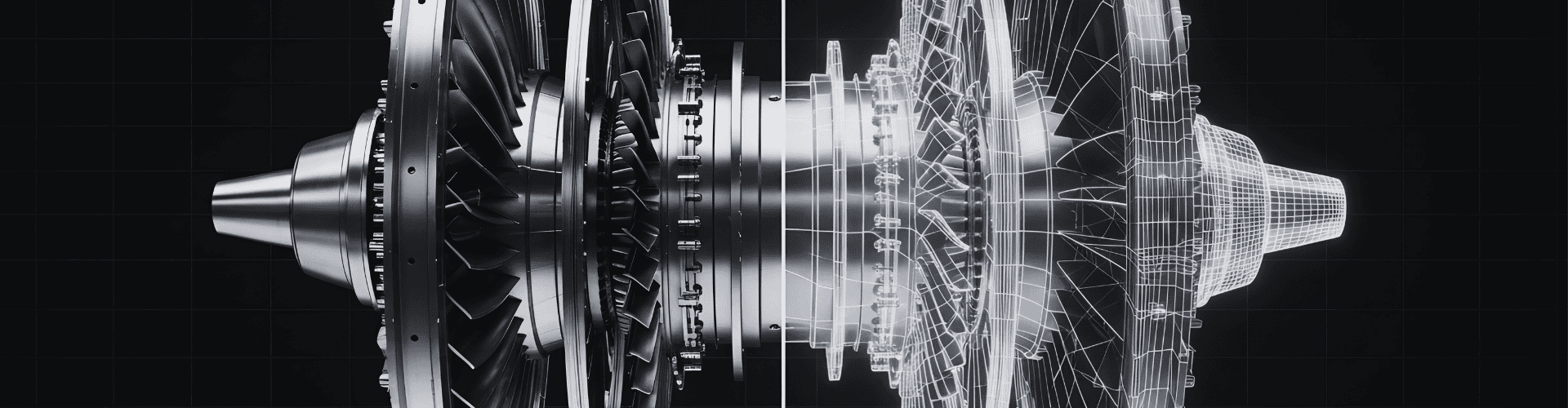
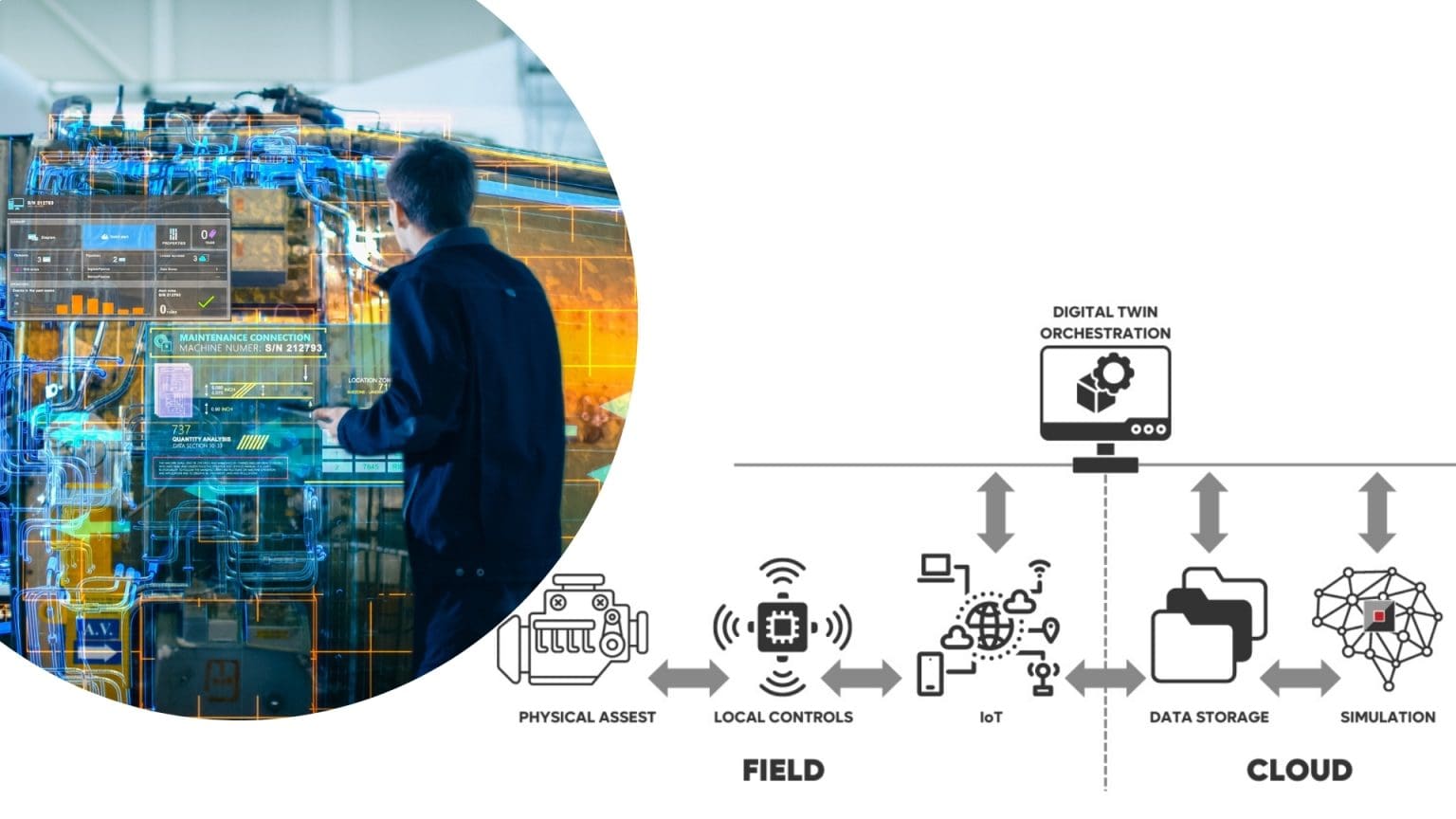
A Digital Twin is a virtual replica of a physical asset, enabling real-time monitoring, simulation, and optimization. GT-SUITE offers a comprehensive platform to develop digital twins, integrating robust multi-physics simulation with state-of-the-art data science. Powered by a cloud-based simulation environment that can seamlessly connect with the customer’s data collection system, GT’s  solution helps enhance asset performance, reduce downtime and improve decision-making. Unlock the full potential of your systems by leveraging GT-SUITE to build your Digital Twin.

Video

How Digital Twin Comes Together

  1. Data Collection. Sensors and IoT devices on the physical asset capture temperature, pressure, vibration, speed, and other operating signals.
  2. Data Integration. Raw signals are cleaned and structured so the virtual model can put them to use.
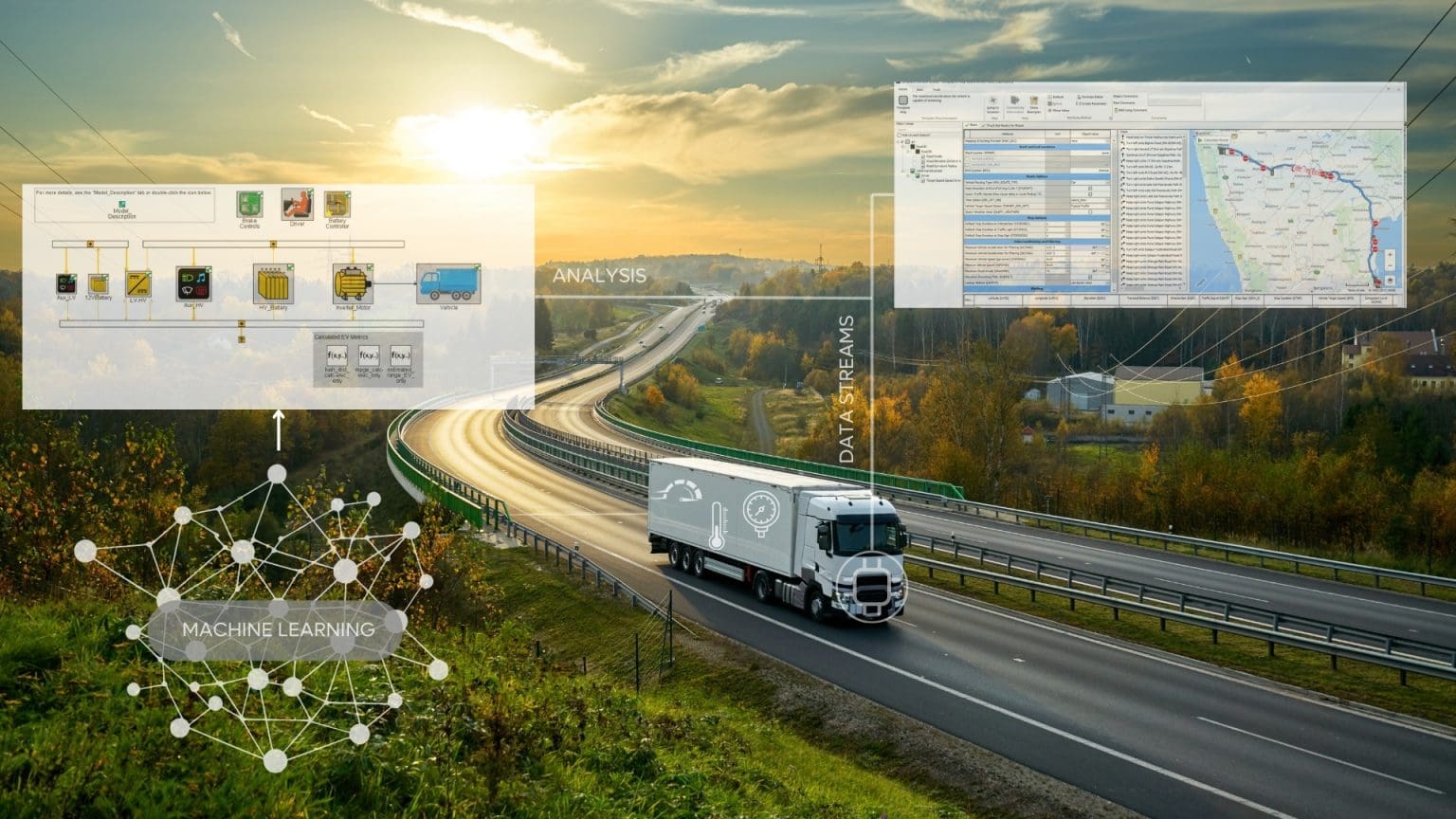
  3. Virtual Model Creation. GT-SUITE’s physics-based modeling builds and calibrates the model, or machine learning generates a fast-running metamodel straight from the collected data.
  4. Real-Time Interaction. The model updates continuously as new data streams in, giving operators a live read on the asset’s condition.
GT Digital Twin

Three Paths to the Same Model

  • Physics-Based. Built on GT-SUITE’s modeling engine and calibrated against on-site measurements to mirror the asset’s current state.
  • Data-Driven. GT-SUITE’s Machine Learning Assistant turns test, field, and design data into fast-running metamodels of the physics-based model, cutting the cost and time of physical testing.
  • Hybrid. Pairs physics-based accuracy with real-time data and machine learning for faster results and sharper decisions.
v2025-3-1536×864

Application Highlights

What a Digital Twin Catches Before It Costs You

Connected to a customer’s own data collection system, the model runs around the clock: watching machine health, flagging faults before they become failures, and giving engineers a sandbox for scenarios too costly or risky to run on real hardware.

  • Maintenance Planning. Spot wear patterns early and schedule maintenance before a machine forces an unplanned stop.
  • Fault Detection. Catch true faults quickly while filtering out the false alarms that disrupt production schedules.
  • Controls Optimization. Correct control software in real time so it holds up under conditions the lab never tested.
  • What-If Testing. Run scenarios a physical test program could never afford to cover, at a fraction of the cost.
digital twin

ADVANCED FEATURES

Coverage Across the Asset's Full Lifecycle

Six capabilities turn the model into a tool your team uses daily, not a one-time simulation exercise.

check mark icon

Diagnostics

GT-SUITE's digital twin continuously compares an asset's live sensor data against its calibrated baseline and flags any deviation as soon as it appears. Because the model represents how the asset's subsystems interact physically, engineers can trace a flagged deviation back through the model to its likely root cause, rather than starting the investigation from raw data alone.


check mark icon

Prognostics

Running the digital twin forward from an asset's current state projects how a developing issue is likely to progress, rather than only reporting a fault once it appears. That advance warning turns a breakdown that would otherwise stop the line into a repair scheduled well ahead of failure.

check mark icon

Asset Performance Management

A digital twin tracks an asset's live operating data continuously and layers simulated scenarios on top of it, letting engineers test a change before committing resources to it. That gives day-to-day operating decisions a data-backed basis instead of relying on experience alone.

check mark icon

Design Improvement

Field data collected from a physical asset feeds back into the same physics-based model used to design it, connecting how the product performs in operation to how the next version gets engineered. Basing design decisions on that operating data, rather than assumption, shortens development time.

check mark icon

Inventory & Operational Planning

Because a digital twin forecasts which components on an asset are approaching failure, procurement teams can stock replacement parts ahead of need instead of reacting to an outage. The same simulation gives operations teams a live view of system performance to plan daily work around.

check mark icon

Virtual Verification & Validation

GT-SUITE's digital twin reproduces an asset's real-world operating conditions closely enough to validate a design change before it reaches a physical prototype. Shifting part of that verification work from the test bench to the simulation environment cuts both cost and the time a physical test program requires.

Explore frequently asked questions about GT-SUITE digital twin capabilities.

  • How does the digital twin tell a real fault from a false alarm?

    The digital twin compares live sensor data against its calibrated baseline continuously, not just at scheduled checkpoints, which gives it enough resolution to separate a genuine deviation from normal operating noise. That balance between catching true faults and filtering out false alarms is what keeps a plant floor from reacting to every blip in the data.

  • How much advance warning can a digital twin actually give before a failure?

    Enough to turn an unplanned stoppage into a scheduled repair. Running the model forward from the asset’s current state projects how a developing issue is likely to progress, rather than only reporting a fault once it has already happened, which is the difference between reacting to downtime and planning around it.

  • Can a digital twin cover scenarios we can't test physically?

    Yes. Physical testing of every operating condition is expensive, slow, and often impossible to run safely, so the digital twin lets you simulate those conditions instead. It also gives you virtual sensors, meaning you can monitor points on a system that were never physically instrumented, and still anticipate failures at those points.

Connect with an Expert

Ready to discuss how our Systems Simulation services can help your project? Fill out the form below and our team will get back to you within 1 business day.

Prefer to call?