





Category: themal management simulation

Soldier overseeing military drone while data streams in the background|Mapping of predicted anode potential|Virtual sensor estimating lithium plating|Virtual sensor estimating lithium plating risk in real time

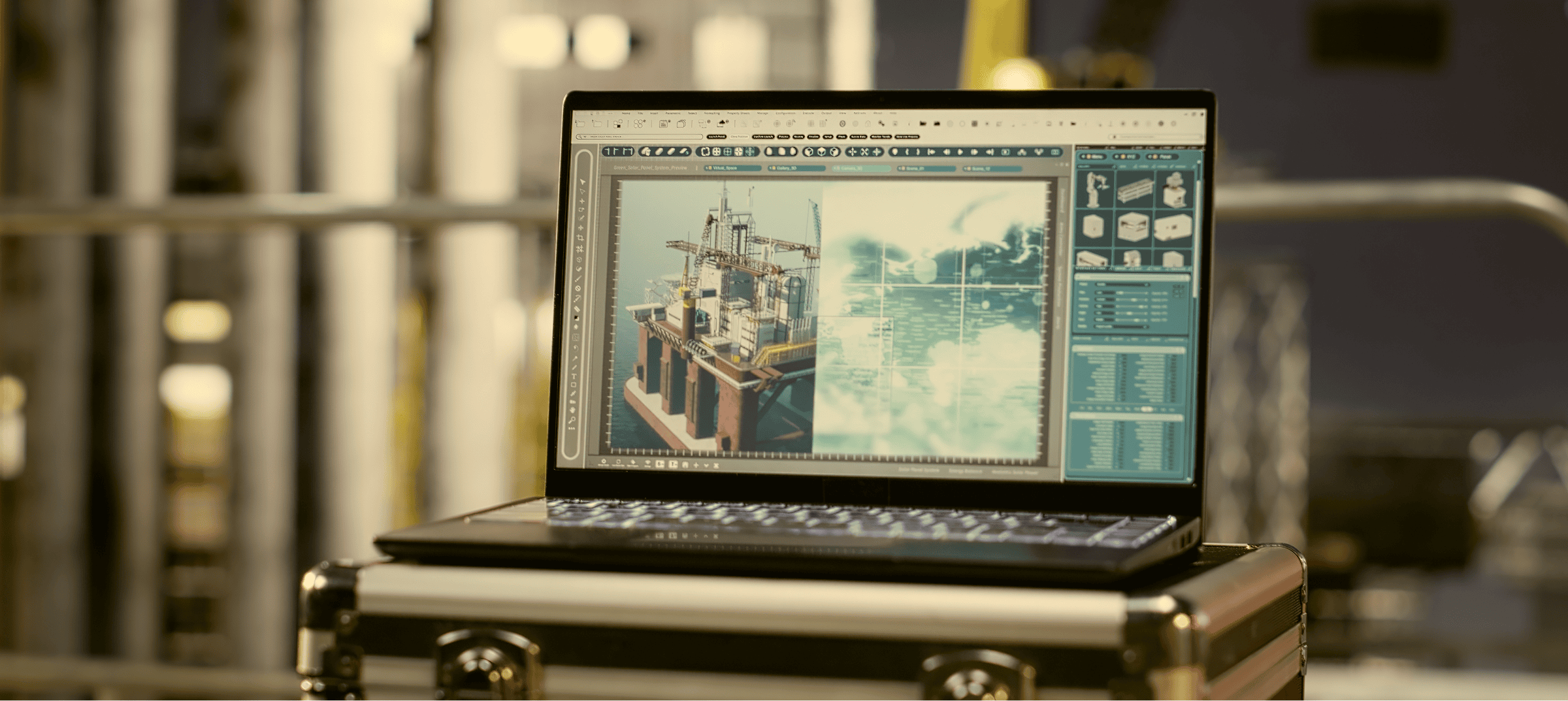
Simulating Lithium–Sulfur Batteries for UAV Missions with GT-AutoLionSulfur

As industries push for lighter and more energy-efficient solutions, lithium–sulfur (Li–S) batteries are gaining increasing attention. Their appeal is clear: they offer the potential for much higher energy per weight than conventional lithium-ion batteries while using sulfur, an abundant and low-cost material. But while the promise is real, so are the challenges. Unlike lithium-ion batteries, […]

Read More
Electric Car EV charging station people charging in car port

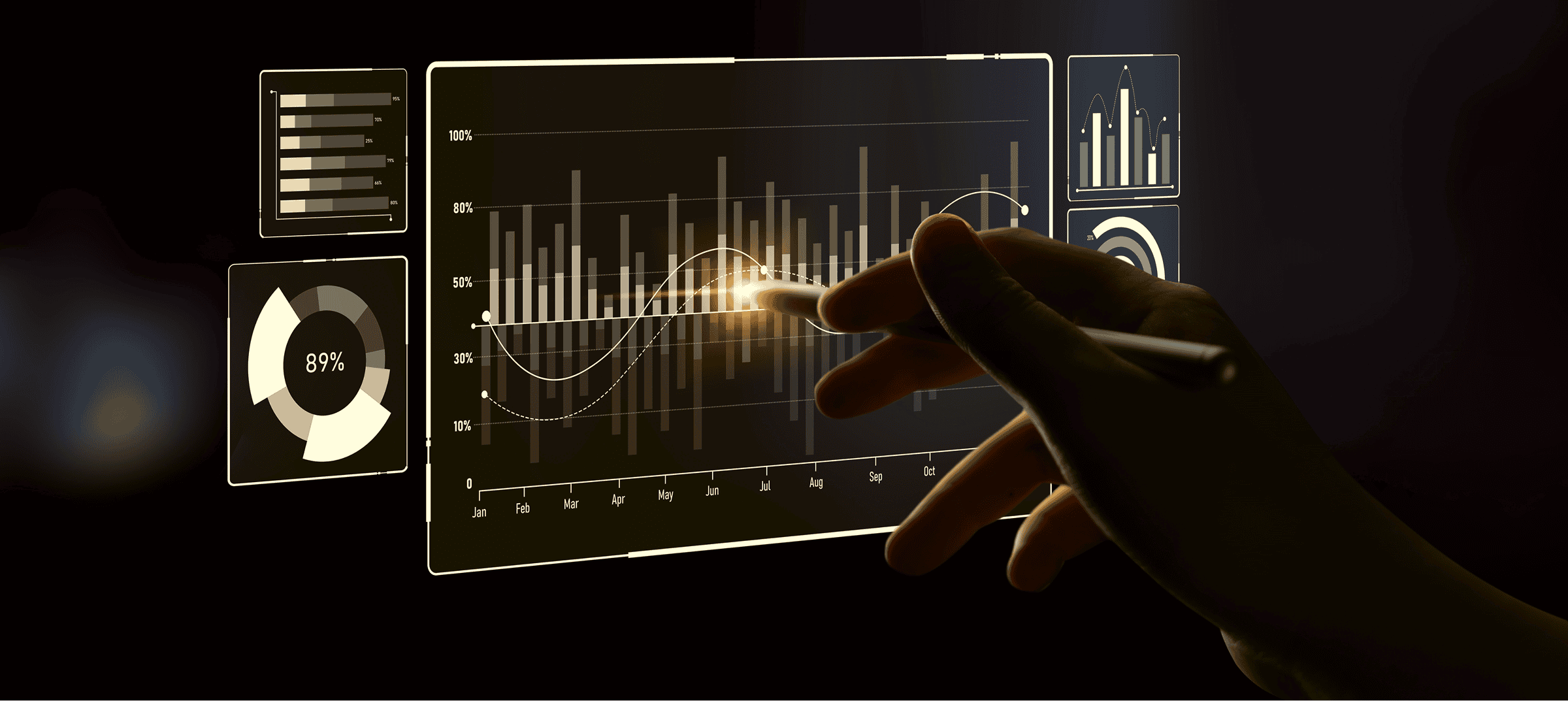
Lithium Plating Detection: How Virtual Sensors Enable Smarter Fast Charging

Fast Charging Pushes Li-ion Batteries Toward a Hidden Risk Fast charging has become a defining requirement for modern electric vehicles and battery-powered systems. Users expect shorter charging times, consistent performance, and reliable operation under all conditions. For simulation, battery control, and engineering teams, this shift raises a shared challenge: predicting and managing internal battery risk […]

Read More
electric system of eco car engine Automotive part concept|Futuristic tanker transporting oil or liquefied gas on the high seas

Machine Learning-Based E-Motor Thermal Metamodeling: Replacing FE Models for Fast System-Level EV Simulation

The Challenge with E-Motor Thermal Simulation Thermal simulation of electric motors sits at the intersection of two competing demands: the need for spatial accuracy at the component level, and the speed required for system-level scenario exploration. High‑fidelity 3D Finite Element (FE) thermal models of electric machines are essential for predicting hotspot temperatures, validating cooling strategies, […]

Read More
Futuristic tanker transporting oil or liquefied gas on the high seas

Marine System Simulation for LNG Carriers: Improving Fuel Efficiency and Reducing Emissions

The maritime industry is navigating one of the most significant transitions in its history. As global trade continues to grow, vessel operators face increasing pressure to reduce fuel consumption, lower greenhouse gas emissions, and comply with evolving environmental regulations. The International Maritime Organization (IMO) has established ambitious decarbonization targets, pushing ship owners and operators to […]

Read More
Engineering Insights Blog|BMS|BMS|Tilt-Rotor Animation|Operational Window|VTOL|Simulation Result Summary Table|Flight Mission Profile|Simulation Results|Series Hybrid Tilt-Rotor Model Example in GT-SUITE|Comparison of steady and transient model response|IceFraction Animation|fuel cell bus|Schematic of water recirculation|System Workflow of a Series Hybrid Tilt-Rotor in GT-SUITE_01||Ice fraction near cathode catalyst layer||Routes Selected for System Level Simulation|2D flowfield in CAD

A Year of Engineering Insights: Our Top 7 Blogs You Shouldn’t Miss

From smarter thermal systems and next-generation batteries to digital twins, fuel cells, and advanced air mobility, we explored how engineering simulation is reshaping engineering decisions across industries. If you’re working at the intersection of innovation, performance, and efficiency, these seven blogs capture the most impactful ideas we shared in 2025, each addressing real-world engineering challenges […]

Read More
Aerial view of a large data center powered by solar power.|Tilt-Rotor Animation|VTOL|Simulation Result Summary Table|Simulation Results|Flight Mission Profile|Series Hybrid Tilt-Rotor Model Example in GT-SUITE|System Workflow of a Series Hybrid Tilt-Rotor in GT-SUITE_01|fuel cell bus|IceFraction Animation||Schematic of water recirculation|Ice fraction near cathode catalyst layer|Comparison of steady and transient model response|2D flowfield in CAD

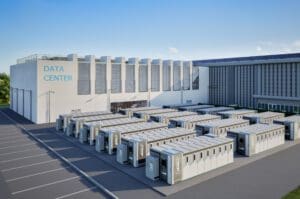
What Powers a Data Center? Understanding the Power Systems

In January 2023, a major Microsoft outage disrupted millions of users worldwide. People could not access Teams, Outlook, or other cloud services for hours. This event showed how quickly a small power interruption can ripple across the globe. Imagine if a cloud provider faces even a few minutes of downtime. Banking systems, hospitals, and AI-driven […]

Read More
Digital Twin Simulation|Toshiba GT-AutoLion blog||Toshiba GT-SUITE blog|Table: Results of preliminary study on battery sizing for the tugboat application. Daily fuel consumption as a function of battery configuration.||Figure 8. Simulation results of a single mission comparing two different battery designs. The Toshiba 20 Ah SCiBTM cells are arranged in 250S/170P (light grey) and 250S/142P (black).|||||||||||||Digital Twin Image|Digital Twin Orchestration Workflow|Cabin Comfort Model in GT-TAITherm|Data collection|Data cleaning|Virtual model building|Data driven ML model|Real time integration|Engineers interacting with a virtual digital twin model on a tablet||Fault Detection on OBD_02||Virtual Model using Digital Twin

Digital Twin Simulation: Engineering Smarter, Faster, and More Reliable Products

Why Digital Twins are Necessary and Important Imagine being able to predict equipment failures before they happen, optimize system performance in real time, and reduce expensive physical testing. This is the power of digital twins. A digital twin is a virtual replica of a physical asset, enabling real-time monitoring, simulation, and optimization.  With increasing system […]

Read More
dynamic machine learning simulation|machine learning neural networks simulation|||||neural network and a linear interpolating lookup map|doe simulation|machine learning simulation|neural network structure|Transient neural network predictions of voltage and state of charge (SOC)|battery call model simulation|metamodel predictions of battery thermal performance simulation|dynamic and static neural networks|predicted vs. target stored ammonia coverage and NO outlet mass flow rate|neural network structure

Dynamic Machine Learning for Modeling and Simulation

Incorporating Dynamic Metamodeling Simulation To save computational time, engineers are persistently trying to speed up physical models, and some situations absolutely require faster simulation speeds. These situations might include more advanced co-simulation tasks, performing model-based optimization on a slower physical model, or the need to have a surrogate model for XiL (X-in-the-Loop) applications or to […]

Read More