




Category: GT-SUITE-xRT

Engineering Insights Blog|BMS|BMS|Tilt-Rotor Animation|Operational Window|VTOL|Simulation Result Summary Table|Flight Mission Profile|Simulation Results|Series Hybrid Tilt-Rotor Model Example in GT-SUITE|Comparison of steady and transient model response|IceFraction Animation|fuel cell bus|Schematic of water recirculation|System Workflow of a Series Hybrid Tilt-Rotor in GT-SUITE_01||Ice fraction near cathode catalyst layer||Routes Selected for System Level Simulation|2D flowfield in CAD

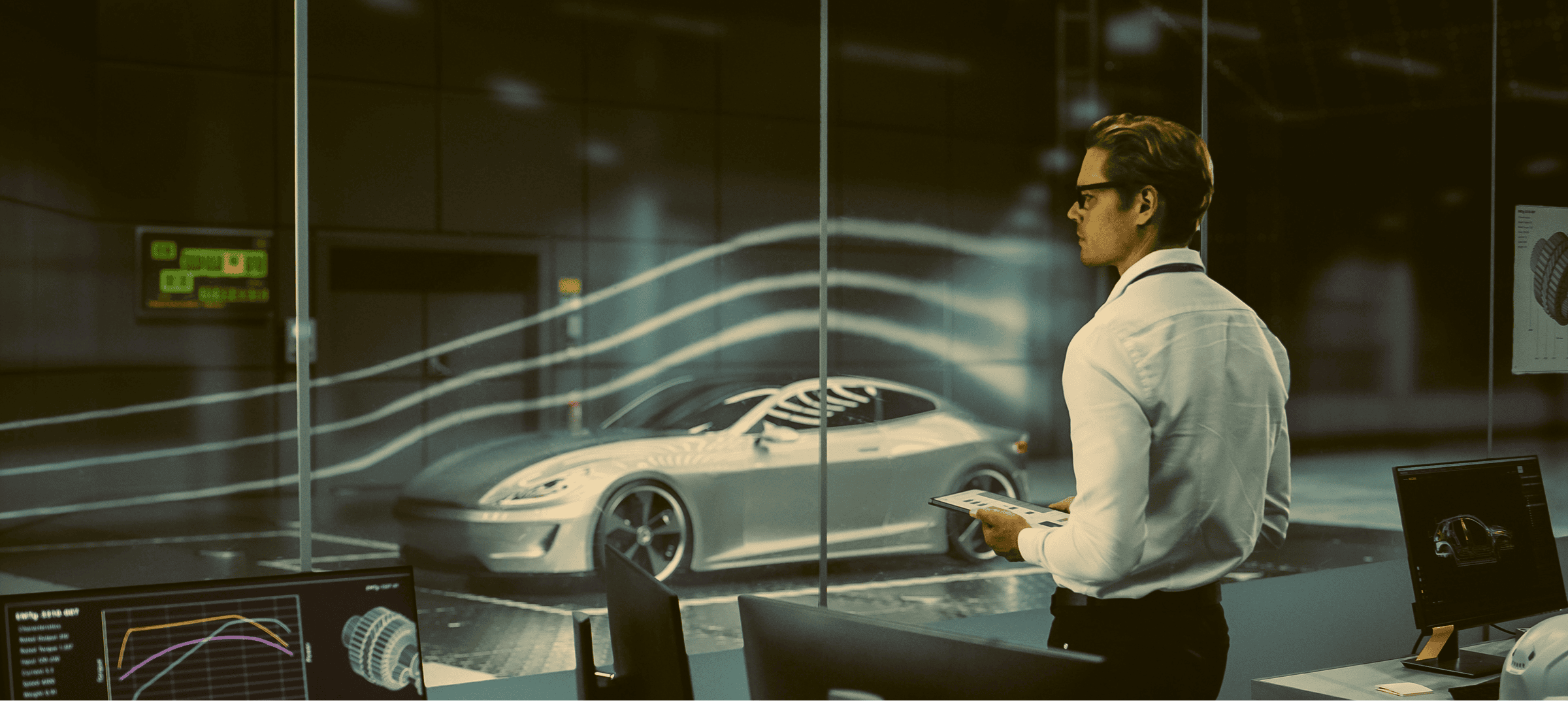
A Year of Engineering Insights: Our Top 7 Blogs You Shouldn’t Miss

From smarter thermal systems and next-generation batteries to digital twins, fuel cells, and advanced air mobility, we explored how engineering simulation is reshaping engineering decisions across industries. If you’re working at the intersection of innovation, performance, and efficiency, these seven blogs capture the most impactful ideas we shared in 2025, each addressing real-world engineering challenges […]

Read More
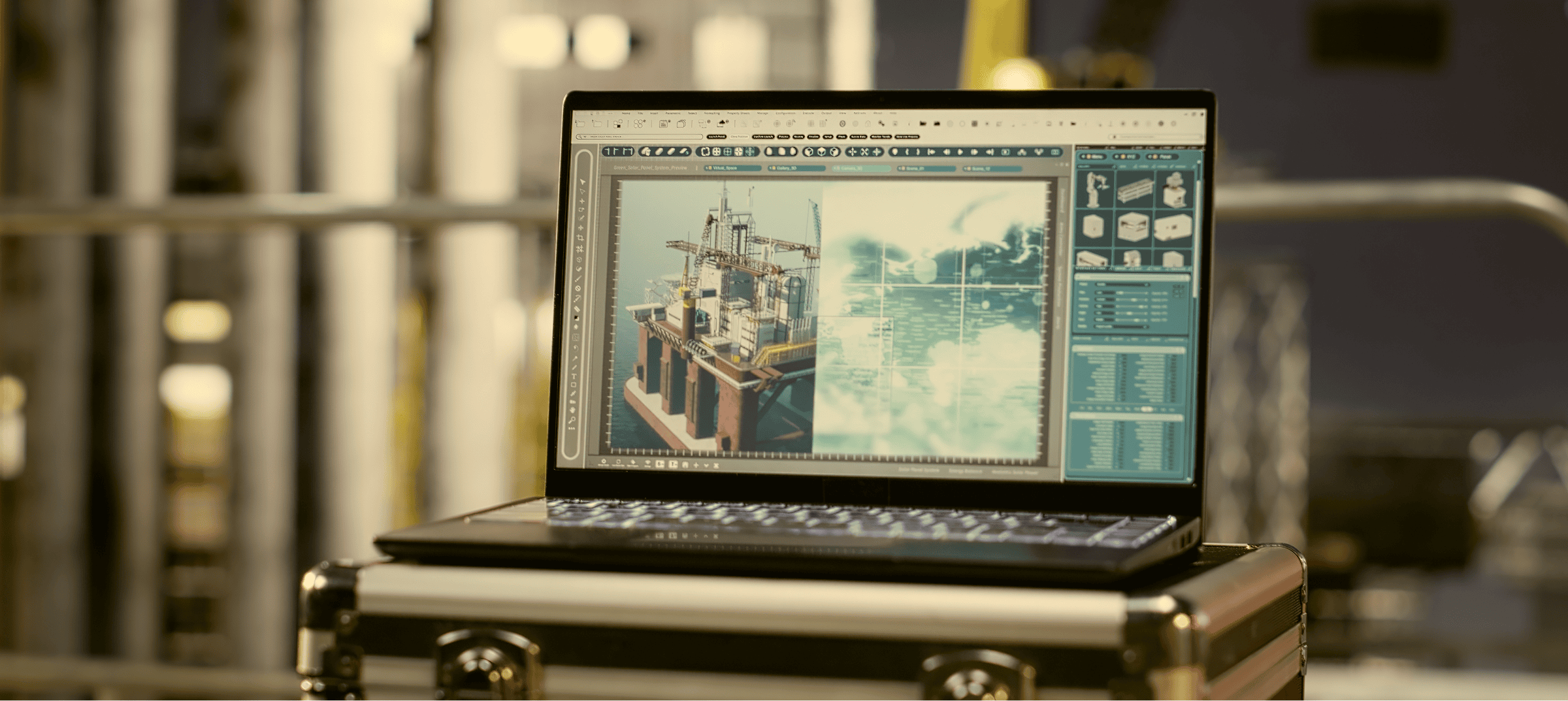
Virtual Calibration|BMS|BMS|Operational Window|Tilt-Rotor Animation|VTOL|Simulation Result Summary Table|Flight Mission Profile|Simulation Results|Series Hybrid Tilt-Rotor Model Example in GT-SUITE|IceFraction Animation|System Workflow of a Series Hybrid Tilt-Rotor in GT-SUITE_01|Comparison of steady and transient model response||fuel cell bus|Schematic of water recirculation|Ice fraction near cathode catalyst layer||Routes Selected for System Level Simulation|2D flowfield in CAD

Introduction to Virtual Calibration: A Smarter Approach to Powertrain Development

The Limitations of Conventional Calibration and Testing Testing and calibrating powertrains is crucial for product development yet traditionally requires years of work and millions in investment. Over time, requirements have expanded considerably to address regulatory compliance (OBD/emissions), customer expectations (efficiency), and manufacturer standards (reliability). Meeting these demands involves extensive physical testing through in-house facilities, on-road […]

Read More
Digital Twin Simulation|Toshiba GT-AutoLion blog||Toshiba GT-SUITE blog|Table: Results of preliminary study on battery sizing for the tugboat application. Daily fuel consumption as a function of battery configuration.||Figure 8. Simulation results of a single mission comparing two different battery designs. The Toshiba 20 Ah SCiBTM cells are arranged in 250S/170P (light grey) and 250S/142P (black).|||||||||||||Digital Twin Image|Digital Twin Orchestration Workflow|Cabin Comfort Model in GT-TAITherm|Data collection|Data cleaning|Virtual model building|Data driven ML model|Real time integration|Engineers interacting with a virtual digital twin model on a tablet||Fault Detection on OBD_02||Virtual Model using Digital Twin

Digital Twin Simulation: Engineering Smarter, Faster, and More Reliable Products

Why Digital Twins are Necessary and Important Imagine being able to predict equipment failures before they happen, optimize system performance in real time, and reduce expensive physical testing. This is the power of digital twins. A digital twin is a virtual replica of a physical asset, enabling real-time monitoring, simulation, and optimization.  With increasing system […]

Read More