


Category: digital twin

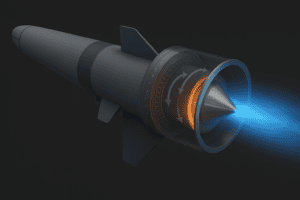
Concept Image of a Rotating Detonation Engine|Digital Twin Simulation|Virtual Model using Digital Twin||Fault Detection on OBD_02||Engineers interacting with a virtual digital twin model on a tablet|Real time integration|Data driven ML model|Virtual model building|Data cleaning|Data collection|Cabin Comfort Model in GT-TAITherm|Digital Twin Orchestration Workflow|Digital Twin Image|||||||||||||Table: Results of preliminary study on battery sizing for the tugboat application. Daily fuel consumption as a function of battery configuration.||Figure 8. Simulation results of a single mission comparing two different battery designs. The Toshiba 20 Ah SCiBTM cells are arranged in 250S/170P (light grey) and 250S/142P (black).||Toshiba GT-SUITE blog|Toshiba GT-AutoLion blog|||RDE AUTOMATION GIF|Unwrapped view of the RDE

Simulating the “Impossible”? Automation Meets Rotating Detonation Engines

Enabling Rotating Detonation Engine (RDE) Innovation Through Simulation and Automation The Rotating Detonation Engine (RDE) stands out as a leading technology that can advance performance and efficiency for future propulsion systems. Simulation software plays a critical role in accelerating development and tackling complex design challenges while engineers and researchers strive to unlock the full capabilities […]
Read More
Digital Twin Simulation|Toshiba GT-AutoLion blog||Toshiba GT-SUITE blog|Table: Results of preliminary study on battery sizing for the tugboat application. Daily fuel consumption as a function of battery configuration.||Figure 8. Simulation results of a single mission comparing two different battery designs. The Toshiba 20 Ah SCiBTM cells are arranged in 250S/170P (light grey) and 250S/142P (black).|||||||||||||Digital Twin Image|Digital Twin Orchestration Workflow|Cabin Comfort Model in GT-TAITherm|Data collection|Data cleaning|Virtual model building|Data driven ML model|Real time integration|Engineers interacting with a virtual digital twin model on a tablet||Fault Detection on OBD_02||Virtual Model using Digital Twin

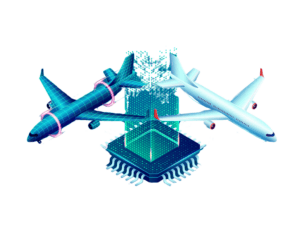
Digital Twin Simulation: Engineering Smarter, Faster, and More Reliable Products

Why Digital Twins are Necessary and Important Imagine being able to predict equipment failures before they happen, optimize system performance in real time, and reduce expensive physical testing. This is the power of digital twins. A digital twin is a virtual replica of a physical asset, enabling real-time monitoring, simulation, and optimization.  With increasing system […]

Read More