






Category: commercial vehicle

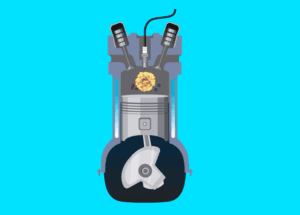
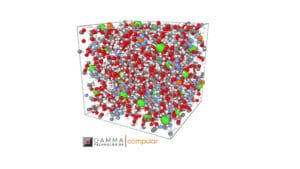
Multi-scale Modeling with Compular Labs and Gamma Technologies|RDE Diagram|Concept Image of a Rotating Detonation Engine|Concept Image of a Rotating Detonation Engine||Unwrapped view of the RDE

How Multi-scale Models Are Enhancing Battery Performance and Design

Beyond Experimentation: Predicting Battery Performance with Multi-Scale Models In today’s electrified world, designing better batteries goes far beyond trial-and-error testing. Engineers and researchers are increasingly turning to simulation to accelerate innovation and reduce development costs. Lithium-ion batteries power modern energy storage systems, from electric vehicles to grid storage. As demand grows for higher performance, longer […]
Read More
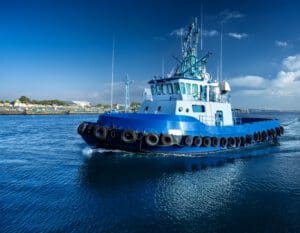
Digital Twin Simulation|Toshiba GT-AutoLion blog||Toshiba GT-SUITE blog|Table: Results of preliminary study on battery sizing for the tugboat application. Daily fuel consumption as a function of battery configuration.||Figure 8. Simulation results of a single mission comparing two different battery designs. The Toshiba 20 Ah SCiBTM cells are arranged in 250S/170P (light grey) and 250S/142P (black).|||||||||||||Digital Twin Image|Digital Twin Orchestration Workflow|Cabin Comfort Model in GT-TAITherm|Data collection|Data cleaning|Virtual model building|Data driven ML model|Real time integration|Engineers interacting with a virtual digital twin model on a tablet||Fault Detection on OBD_02||Virtual Model using Digital Twin

Digital Twin Simulation: Engineering Smarter, Faster, and More Reliable Products

Why Digital Twins are Necessary and Important Imagine being able to predict equipment failures before they happen, optimize system performance in real time, and reduce expensive physical testing. This is the power of digital twins. A digital twin is a virtual replica of a physical asset, enabling real-time monitoring, simulation, and optimization.  With increasing system […]

Read More
HVACR simulation machine learning|hvac machine learning simulation|EV thermal system model with physics-based solution and feedforward neural net|machine learning simulation in hvac industry

Simulation for the HVACR Industry: How to Leverage Machine Learning

The HVACR Industry is Evolving As we step into 2025, major trends in systems simulation are emerging. The heating, ventilation, air conditioning, and refrigeration (HVACR) industry is seeing accelerated growth in the adoption of simulation throughout the design and development process. This industry is looking to further modernize, appeal to consumers, and demand energy-efficient, sustainable […]

Read More
making music with mutiphysics|eVTOL battery simulation||||||anc GT-SUITE simulation|ANC system simulation model

Making Music with Multiphysics

The capabilities of simulation software appear to be endless (not really, but you know what I mean…) when it comes to modeling different systems and things that may not have been simulated before. This can be especially true when considering how model-based systems engineering (MBSE) has advanced in the past few decades from single-purpose tools […]

Read More
eVTOL battery simulation|||||

How Simulation Accelerates the Development of eVTOL Aircraft for Taxi Services

Unlocking the Potential of eVTOL Aircraft for Taxi Services: Advancing On-Demand Transportation Safely and Efficiently The world is rapidly advancing towards an integrated and accessible on-demand transportation network. Electric Vertical Takeoff and Landing (eVTOL) vehicles have emerged as the ideal solution for the near future, offering faster and more efficient travel options. However, ensuring the […]

Read More
single cylinder and multi cylinder engine simulation|cabin model order reduction simulation workflow results|3D GT-TAITherm Cabin Model|HVAC system simulation GT-SUITE|cabin modelling simulation|3d cabin modelling simulation|cabin modelling simulation fidelities|vehicle cabin temperature simulation|temperature cabin simulation results|dynamic and static neural networks|dynamic machine learning simulation|battery call model simulation|neural network structure|predicted vs. target stored ammonia coverage and NO outlet mass flow rate|metamodel predictions of battery thermal performance simulation|neural network and a linear interpolating lookup map|doe simulation|Transient neural network predictions of voltage and state of charge (SOC)|neural network structure|machine learning simulation|||||machine learning neural networks simulation|Torsional and Transverse Vibration in an Accessory Drive|GT-SUITE accessory drive model|belt tension and global slip simulation|Main Effects Plots for Specified Attributes or Inputs Ranking|Variational Analysis for Specified Attributes|accessory drive machine learning simulation|single cylinder and multi cylinder engine simulation||||

Combining Measurements and Simulation to Streamline Combustion/Controls Development

How to use Simulation to Improve the Engine Development Process for Carbon Neutral Fuels  The need for clean, renewable energy sources requires exploring carbon neutral fuels and their combustion behaviors. This is typically done using single-cylinder (SC) engines. The advantages of this process are to make quick hardware changes such as replacing the head or […]

Read More
accessory drive machine learning simulation|dynamic machine learning simulation|neural network structure|predicted vs. target stored ammonia coverage and NO outlet mass flow rate|dynamic and static neural networks|metamodel predictions of battery thermal performance simulation|battery call model simulation|Transient neural network predictions of voltage and state of charge (SOC)|neural network structure|machine learning simulation|||neural network and a linear interpolating lookup map|doe simulation|||machine learning neural networks simulation|GT-SUITE accessory drive model|Torsional and Transverse Vibration in an Accessory Drive|belt tension and global slip simulation|Main Effects Plots for Specified Attributes or Inputs Ranking|Variational Analysis for Specified Attributes|belt tension and global slip simulation

Leveraging Machine Learning for Early Design Decisions on an Accessory Belt Drive Simulation

There are various challenges faced by an automotive engineer while designing a robust and optimized accessory drive system. Most original equipment manufacturers (OEMs) rely on different suppliers for their engine belt(s) and accessories (e.g. water pumps, alternators, A/C compressors, etc.). This leads to challenges in obtaining a comprehensive set of input data to incorporate in […]

Read More
dynamic machine learning simulation|machine learning neural networks simulation|||||neural network and a linear interpolating lookup map|doe simulation|machine learning simulation|neural network structure|Transient neural network predictions of voltage and state of charge (SOC)|battery call model simulation|metamodel predictions of battery thermal performance simulation|dynamic and static neural networks|predicted vs. target stored ammonia coverage and NO outlet mass flow rate|neural network structure

Dynamic Machine Learning for Modeling and Simulation

Incorporating Dynamic Metamodeling Simulation To save computational time, engineers are persistently trying to speed up physical models, and some situations absolutely require faster simulation speeds. These situations might include more advanced co-simulation tasks, performing model-based optimization on a slower physical model, or the need to have a surrogate model for XiL (X-in-the-Loop) applications or to […]

Read More