




Category: battery simulation

Aerial view of a large data center powered by solar power.|Tilt-Rotor Animation|VTOL|Simulation Result Summary Table|Simulation Results|Flight Mission Profile|Series Hybrid Tilt-Rotor Model Example in GT-SUITE|System Workflow of a Series Hybrid Tilt-Rotor in GT-SUITE_01|fuel cell bus|IceFraction Animation||Schematic of water recirculation|Ice fraction near cathode catalyst layer|Comparison of steady and transient model response|2D flowfield in CAD

What Powers a Data Center? Understanding the Power Systems

In January 2023, a major Microsoft outage disrupted millions of users worldwide. People could not access Teams, Outlook, or other cloud services for hours. This event showed how quickly a small power interruption can ripple across the globe. Imagine if a cloud provider faces even a few minutes of downtime. Banking systems, hospitals, and AI-driven […]

Read More
VTOL|Cutaway view of a Solid-State Battery module on black background. Next Generation Electric Vehicle Battery concept. Generic design. Isometric view. 3D rendering illustration.|Performance calibration of a 2 Ah solid-state pouch cell at 303 K and 1C rate|Key differences between conventional LIB and SSB|Schematic view of conventional lithium-ion vs. solid-state batteries||||Experimental validation of GT-AutoLion Na-ion battery model at different C-rates||Schematic view of Na-ion battery|Voltage vs. capacity for power-dense and energy-dense Li-Ion cells at different temperatures and C-rates|Multi-scale Modeling with Compular Labs and Gamma Technologies|Transport properties as a function of salt concentration|Schematic representation of the MD simulations|P2D model used in the GT-AutoLion tool|Molecular Dynamic Simulation|Digital Twin Simulation|Virtual Model using Digital Twin||Fault Detection on OBD_02|Engineers interacting with a virtual digital twin model on a tablet|Data cleaning||Data driven ML model|Real time integration|||Virtual model building|Digital Twin Image|Data collection||Cabin Comfort Model in GT-TAITherm|Digital Twin Orchestration Workflow|||||||Table: Results of preliminary study on battery sizing for the tugboat application. Daily fuel consumption as a function of battery configuration.||Figure 8. Simulation results of a single mission comparing two different battery designs. The Toshiba 20 Ah SCiBTM cells are arranged in 250S/170P (light grey) and 250S/142P (black).|||||Toshiba GT-SUITE blog|Toshiba GT-AutoLion blog||RDE AUTOMATION GIF|Unwrapped view of the RDE

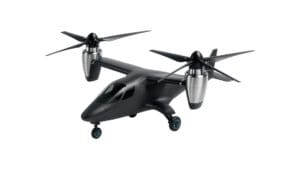
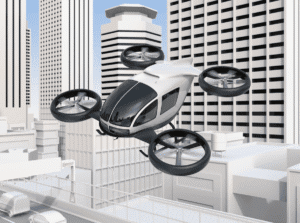
Simulating Series Hybrid Tilt-Rotor Aircraft in GT-SUITE

The rise in demand for electric and hybrid-electric aircraft, particularly in the Urban Air Mobility (UAM) sector, has fueled innovation in aircraft powertrain design. One promising configuration is the series hybrid tilt-rotor system, which combines the power and efficiency of hybrid-electric propulsion with the versatile flight dynamics of tilt-rotor technology. In this blog, we’ll dive […]

Read More
Data center servers illuminate blue floor

Data Center Solutions: A Strategic Imperative for Competitive Advantage

In an era defined by rapid advances in AI, machine learning, and large-scale GPU-driven workloads, data centers are no longer passive utilities—they are strategic assets. Data center optimization is core to achieving sustainable competitive advantage, operational excellence, and environmental stewardship. 1. Market Forces Reshaping the Industry The data center sector is currently undergoing a major […]

Read More
Cutaway view of a Solid-State Battery module on black background. Next Generation Electric Vehicle Battery concept. Generic design. Isometric view. 3D rendering illustration.|fuel cell bus|IceFraction Animation|Schematic of water recirculation|Ice fraction near cathode catalyst layer|Comparison of steady and transient model response|2D flowfield in CAD

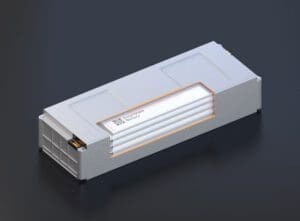
Solid-State Batteries: Why Virtual Modeling and Simulation are the Only Way Forward

Solid-State vs Lithium-Ion Batteries | What’s Driving the Shift The push for safer, longer-lasting, and higher-energy batteries is accelerating change across the energy storage industry. Solid-state batteries (SSB) are gaining attention as a promising solution to meet these growing demands. Unlike conventional lithium-ion batteries (LIB), which use flammable liquid electrolytes, SSB relies on solid materials, […]

Read More
||Routes Selected for System Level Simulation|1-D Simulation Model Built in GT-SUITE|Schematic diagram of hydrogen fuel cell. Electrochemical cell. Vector illustration isolated on white background.|Modern rail freight powered by hydrogen fuel cells

Everything You Wanted to Know About Sodium-Ion Batteries

From Lithium-Ion to Sodium-Ion Batteries: A New Era in Battery Technology As the demand for energy storage continues to rise, sodium-ion batteries (NIBs) are gaining momentum as a compelling alternative to lithium-ion batteries (LIBs). Leveraging more abundant and cost-effective materials, NIBs are especially well-suited for low-speed electric vehicles—where range is less critical and affordability is […]

Read More
|Multi-scale Modeling with Compular Labs and Gamma Technologies|Voltage vs. capacity for power-dense and energy-dense Li-Ion cells at different temperatures and C-rates|Transport properties as a function of salt concentration|Schematic representation of the MD simulations|P2D model used in the GT-AutoLion tool|Molecular Dynamic Simulation|Digital Twin Simulation|Virtual Model using Digital Twin|Fault Detection on OBD_02|||Data driven ML model|Engineers interacting with a virtual digital twin model on a tablet|Virtual model building|Data cleaning|Real time integration|Digital Twin Image|Data collection|Cabin Comfort Model in GT-TAITherm|Digital Twin Orchestration Workflow|||||||||||Figure 8. Simulation results of a single mission comparing two different battery designs. The Toshiba 20 Ah SCiBTM cells are arranged in 250S/170P (light grey) and 250S/142P (black).|||Table: Results of preliminary study on battery sizing for the tugboat application. Daily fuel consumption as a function of battery configuration.||Toshiba GT-SUITE blog||Toshiba GT-AutoLion blog|||RDE AUTOMATION GIF|RDE SIMULATION RESULTS|Unwrapped view of the RDE

Fuel Cell System Modeling: Powering the Future of Hybrid Locomotives

Transitioning from Diesel to Hydrogen Locomotive Power: Modeling the Future of Rail Transport Can a fuel cell-powered locomotive haul freight as reliably as diesel while significantly reducing emissions?   As the transportation sector accelerates toward net-zero goals, hydrogen fuel cells are emerging as a clean alternative to conventional diesel locomotives. In fact, the hydrogen fuel […]

Read More
Multi-scale Modeling with Compular Labs and Gamma Technologies|RDE Diagram|Concept Image of a Rotating Detonation Engine|Concept Image of a Rotating Detonation Engine||Unwrapped view of the RDE

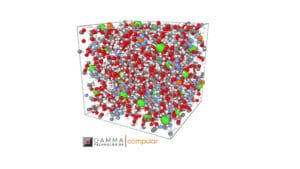
How Multi-scale Models Are Enhancing Battery Performance and Design

Beyond Experimentation: Predicting Battery Performance with Multi-Scale Models In today’s electrified world, designing better batteries goes far beyond trial-and-error testing. Engineers and researchers are increasingly turning to simulation to accelerate innovation and reduce development costs. Lithium-ion batteries power modern energy storage systems, from electric vehicles to grid storage. As demand grows for higher performance, longer […]

Read More
eVTOL battery simulation|||||

How Simulation Accelerates the Development of eVTOL Aircraft for Taxi Services

Unlocking the Potential of eVTOL Aircraft for Taxi Services: Advancing On-Demand Transportation Safely and Efficiently The world is rapidly advancing towards an integrated and accessible on-demand transportation network. Electric Vertical Takeoff and Landing (eVTOL) vehicles have emerged as the ideal solution for the near future, offering faster and more efficient travel options. However, ensuring the […]

Read More